
Concrete Acid Stain Colors: How to Choose the Right Color for Your Project
by Justin Richardson
Choosing concrete acid stain colors is different from choosing paint. Acid stain reacts with the minerals in the concrete, which means the final color can vary from slab to slab. The same color may appear bold, subtle, marbled, earthy, or muted depending on the concrete’s age, porosity, cement content, and surface preparation.
This guide will help you compare EverStain™ concrete acid stain colors, see how they look in real customer projects, understand popular color combinations, and learn why testing colors before the full project is the best way to avoid surprises.
How Concrete Acid Stain Colors Work
Concrete acid stain colors are created through a chemical reaction with the concrete. Because the stain is translucent, the final color is influenced by the concrete itself. Surface age, porosity, cement content, finishing methods, moisture, and previous treatments can all affect the result. This is why acid stain colors often have natural variation, marbling, and movement — and why testing first is essential.
| EverStain™ Color | General Look | Best For | Pairs Well With |
|---|---|---|---|
| Avocado | Green, mossy, organic | Outdoor concrete, nature-inspired designs | Malayan Buff, Seagrass, Shifting Sand |
| Azure Blue | Aqua, blue-green, mineral tone | Indoor statement floors, marble effects | Coffee Brown, English Red, Malayan Buff |
| Black | Brown-black, smoky, dramatic | Veining, contrast, bold floors | Malayan Buff, Seagrass, English Red |
| Coffee Brown | Rich brown, leather-like, warm | Basements, patios, rustic interiors | Desert Amber, Malayan Buff, Seagrass |
| Cola | Reddish brown, warm, earthy | Living spaces, offices, patios | Seagrass, Desert Amber, English Red |
| Desert Amber | Golden tan, warm stone | Neutral floors, rustic designs | Coffee Brown, Cola, Malayan Buff |
| English Red | Brick red, terra cotta, earthy | Warm interiors, rustic spaces | Black, Coffee Brown, Azure Blue |
| Malayan Buff | Neutral buff, sandy, soft | Base color, layered designs | Coffee Brown, Seagrass, Shifting Sand |
| Seagrass | Soft green to blue-green | Patios, organic designs, water-inspired looks | Coffee Brown, Malayan Buff |
| Shifting Sand | Light tan, sandy, subtle | Soft neutral floors, blending | Coffee Brown, Malayan Buff |
Best Concrete Acid Stain Colors for Warm Earth Tones
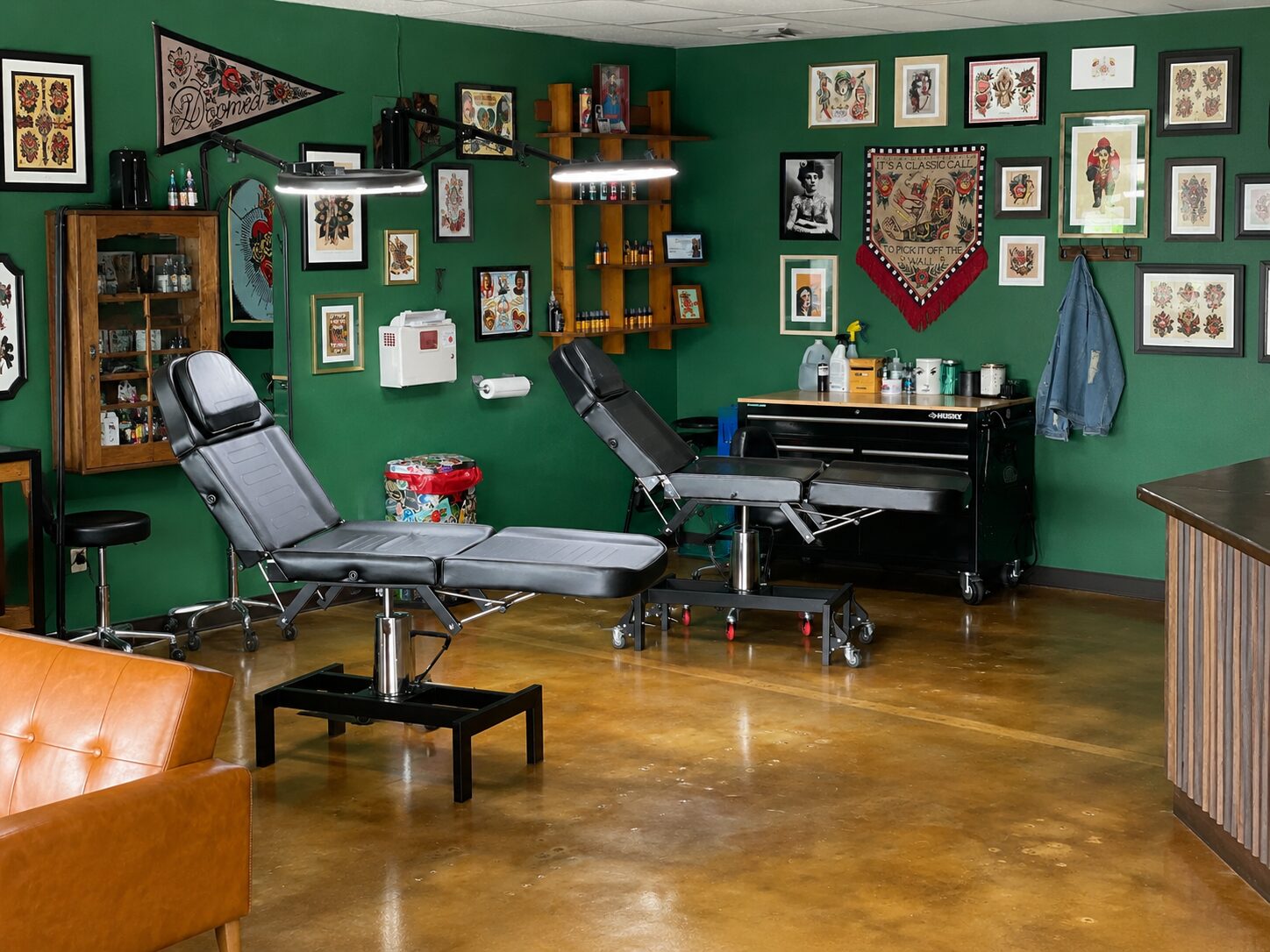
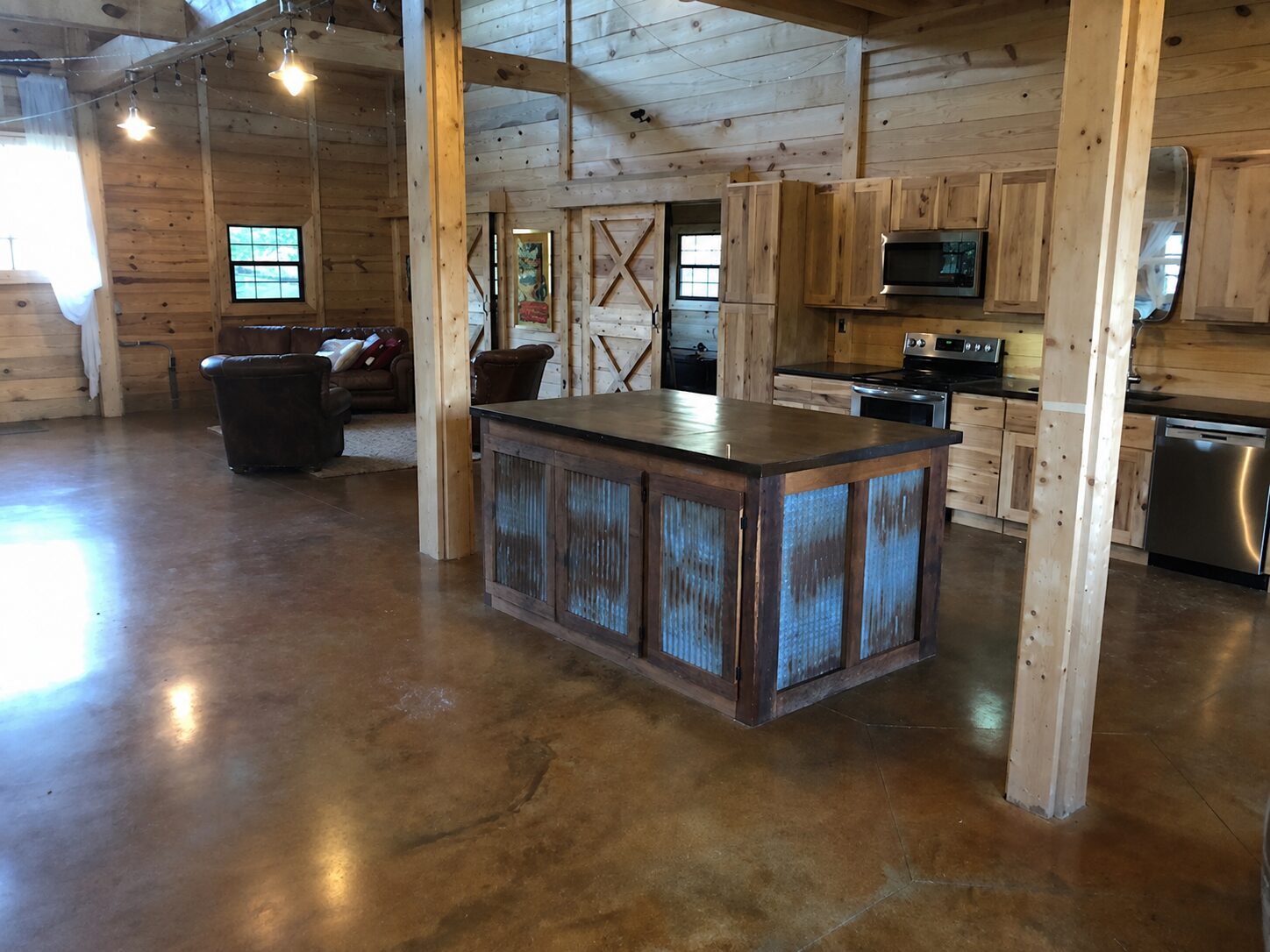
Warm earth tones are some of the most popular concrete acid stain colors because they create a natural, timeless finish that works well in homes, patios, basements, restaurants, shops, and rustic commercial spaces. These colors can range from soft sandy neutrals to rich browns, amber tones, and deep reddish accents.
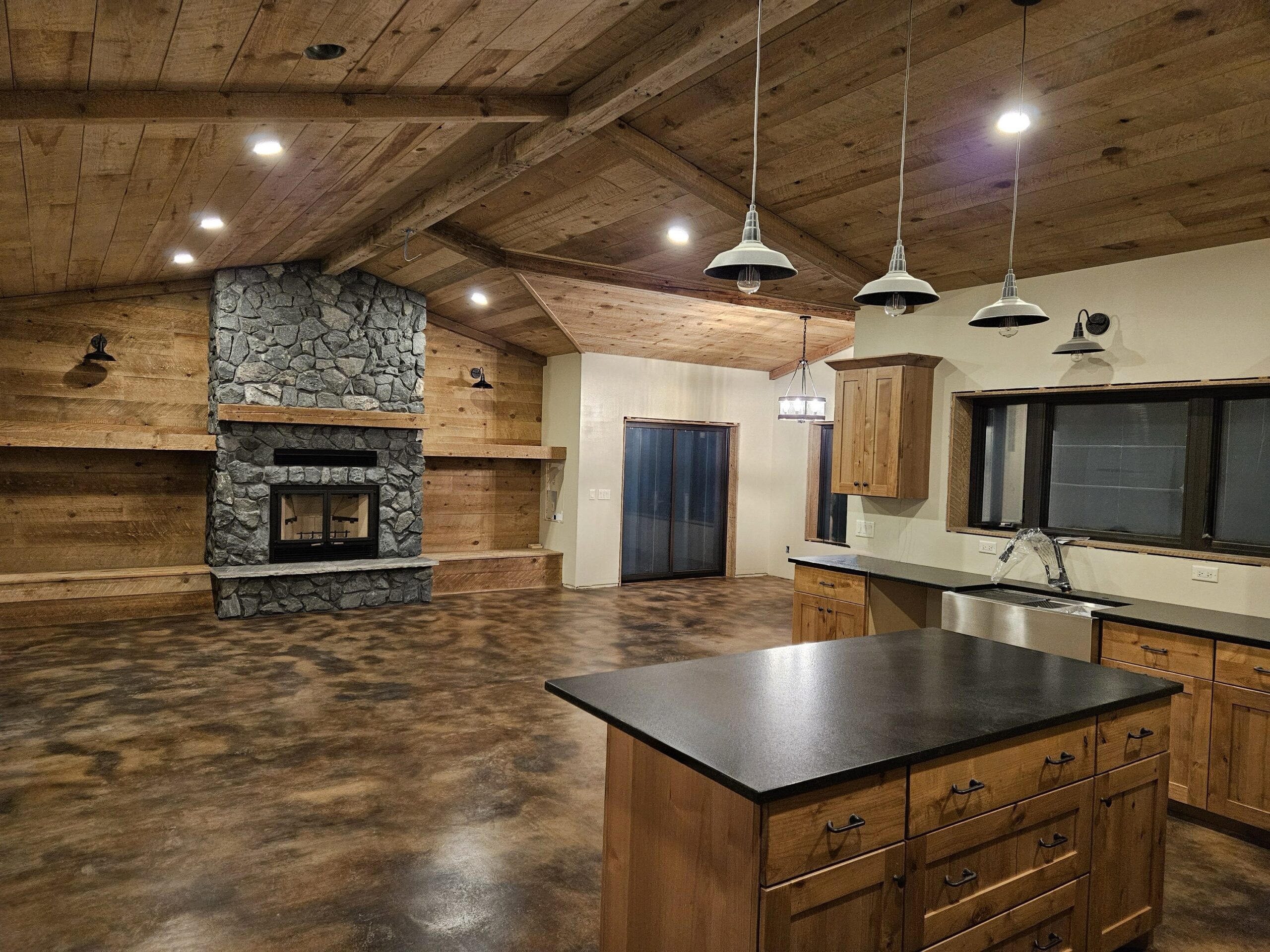
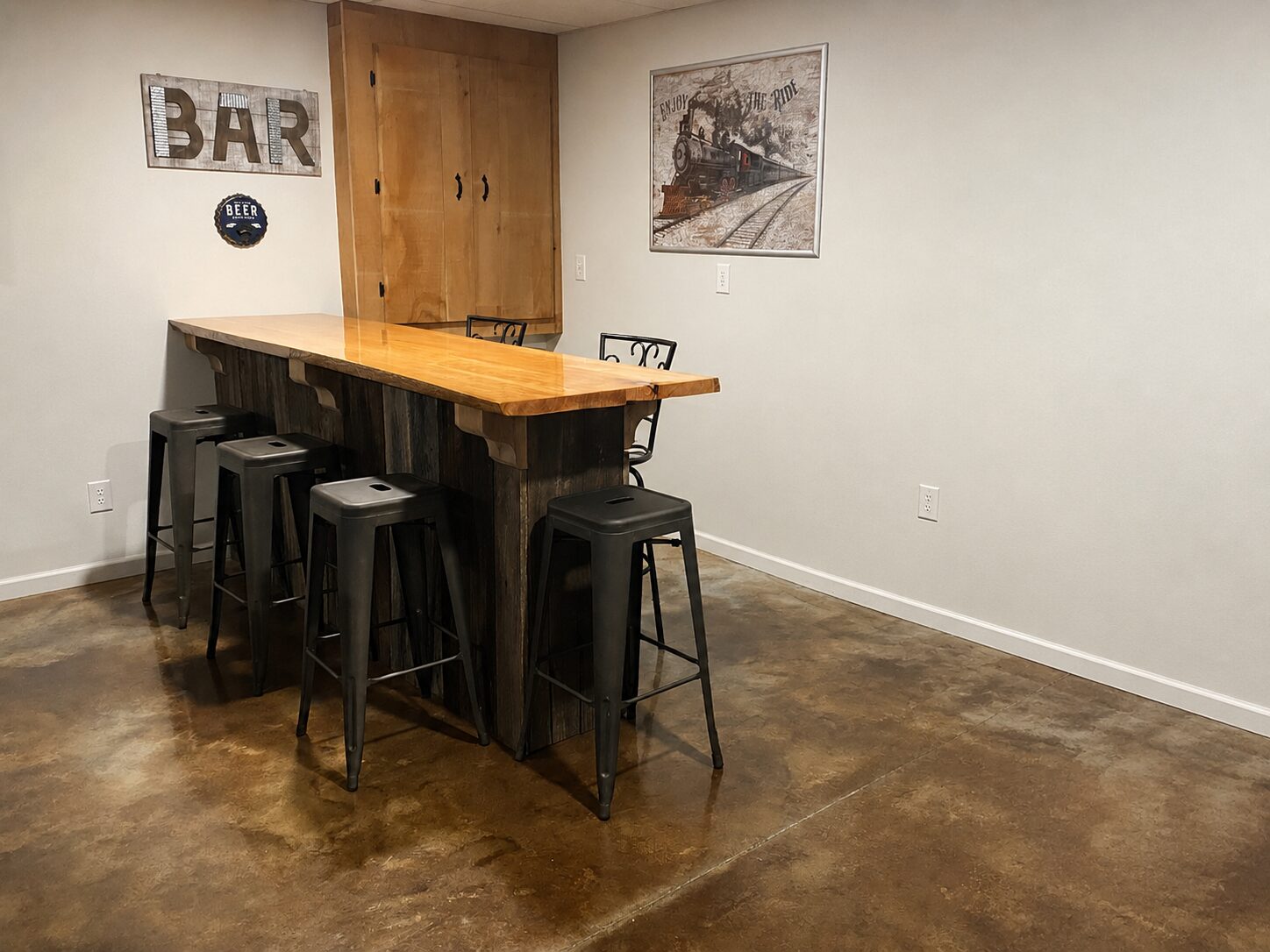
Great acid stain colors for warm earth-tone projects include:
- Coffee Brown: A rich, coffee-toned stain that creates leather-like movement, dark marbling, and strong contrast when paired with lighter colors.
- Cola: A warm reddish-brown color that adds depth and a natural aged look to concrete floors.
- Desert Amber: A golden, sun-warmed tone that works beautifully as a soft base color or as part of a layered earthy design.
- English Red: A brick-red, terra cotta-inspired stain that brings warmth, rustic character, and bold contrast.
- Malayan Buff: A neutral buff color that helps soften darker stains and create a balanced, natural-looking finish.
- Shifting Sand: A light sandy tone that blends easily with stronger colors like browns, reds, and blues for a softer, more subtle effect.
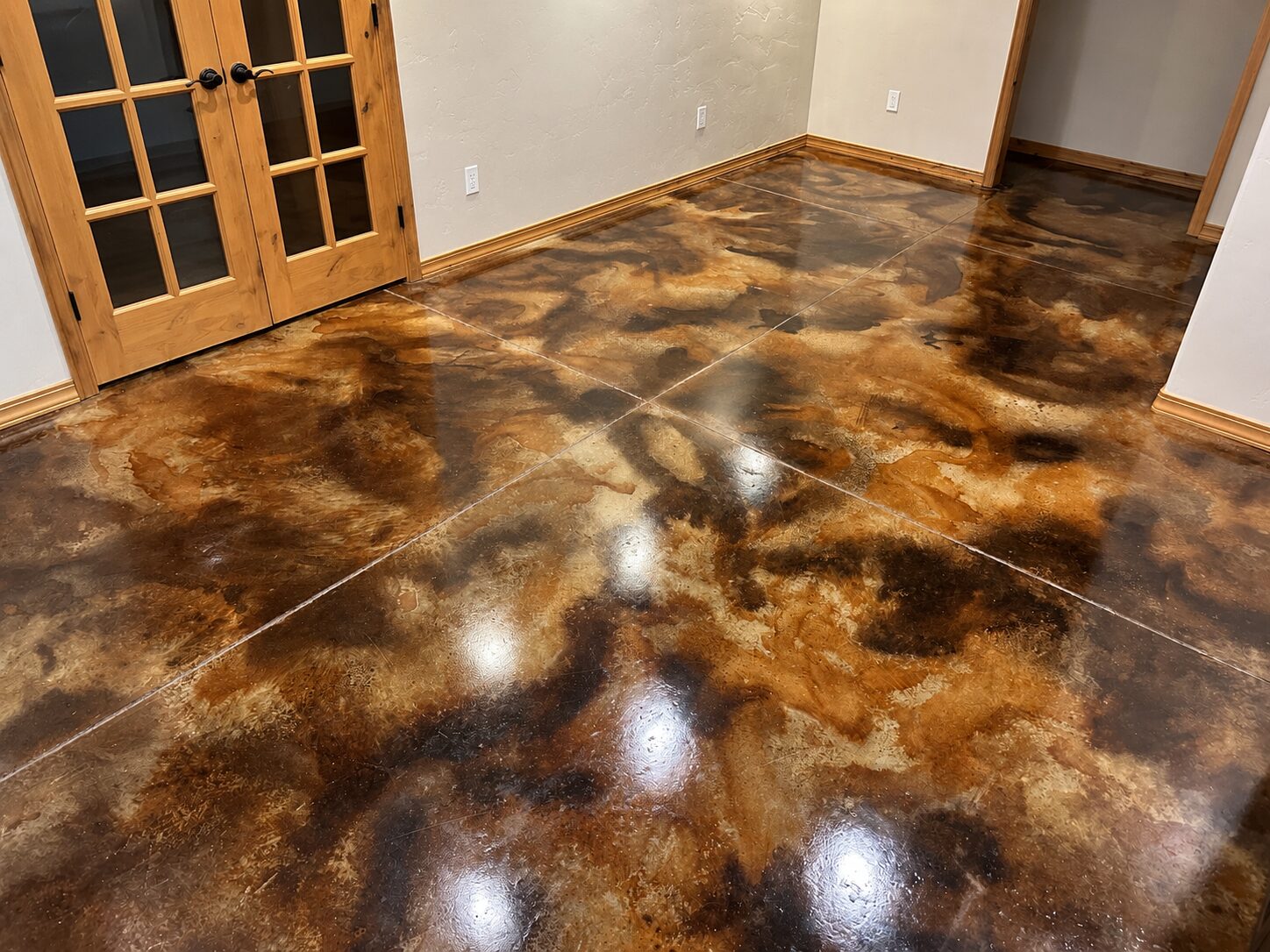
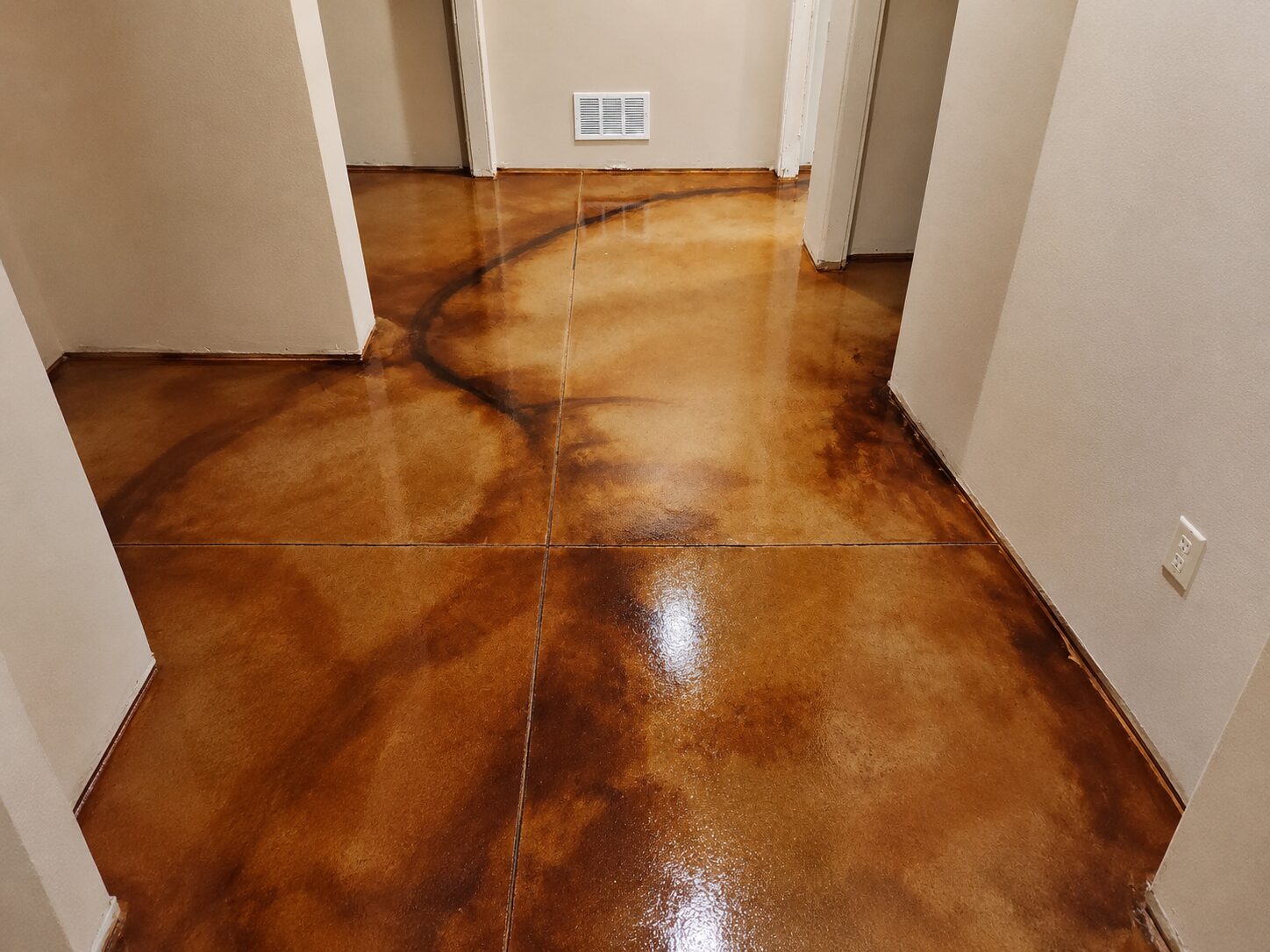
For a warm, marbled finish, pair Coffee Brown with Desert Amber or Malayan Buff. For a richer rustic look, combine Cola, English Red, and Coffee Brown. For a softer neutral floor, use Malayan Buff or Shifting Sand as the base and layer darker accent colors sparingly.
Best Concrete Acid Stain Colors for Blue and Green Effects
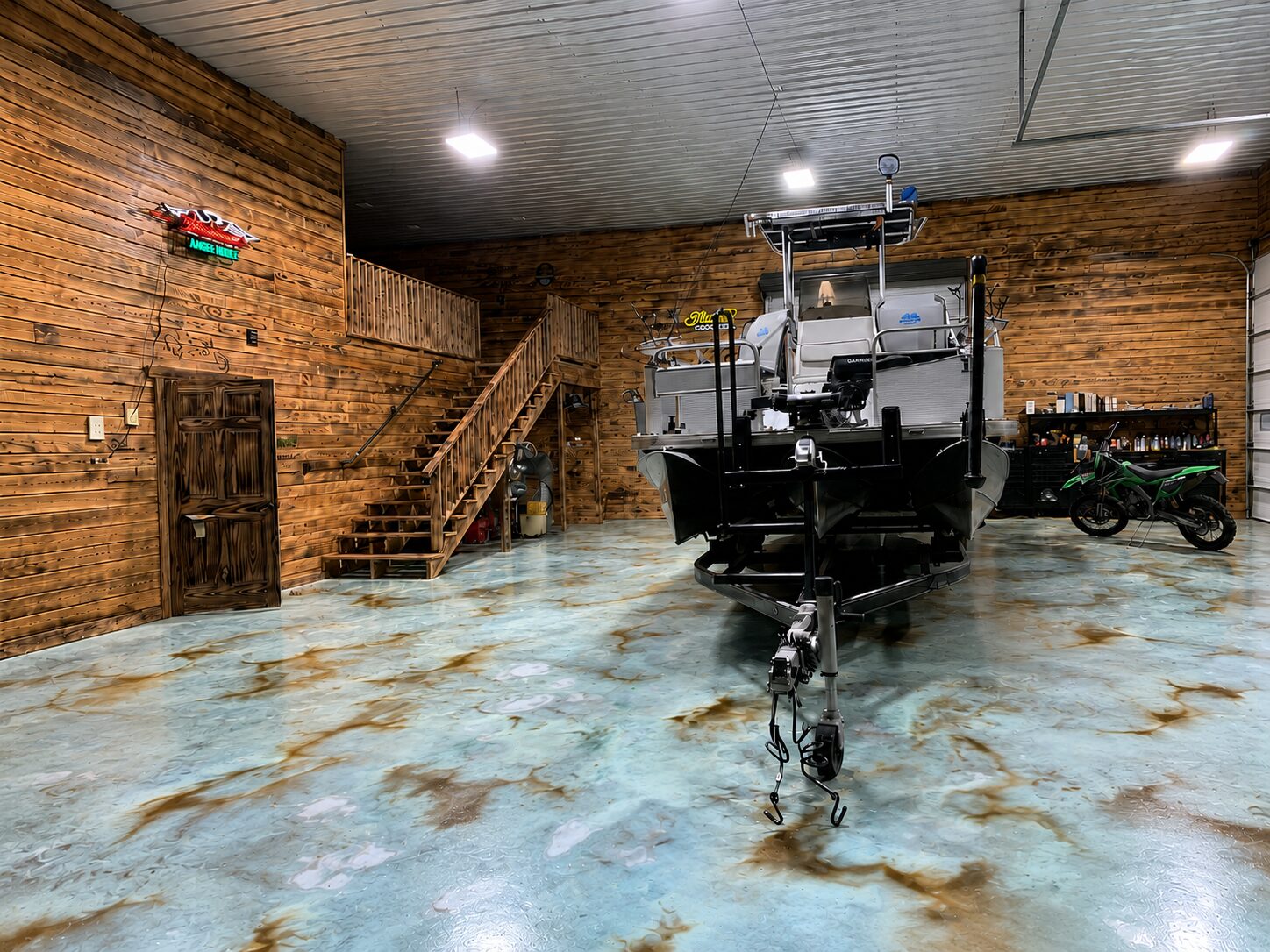
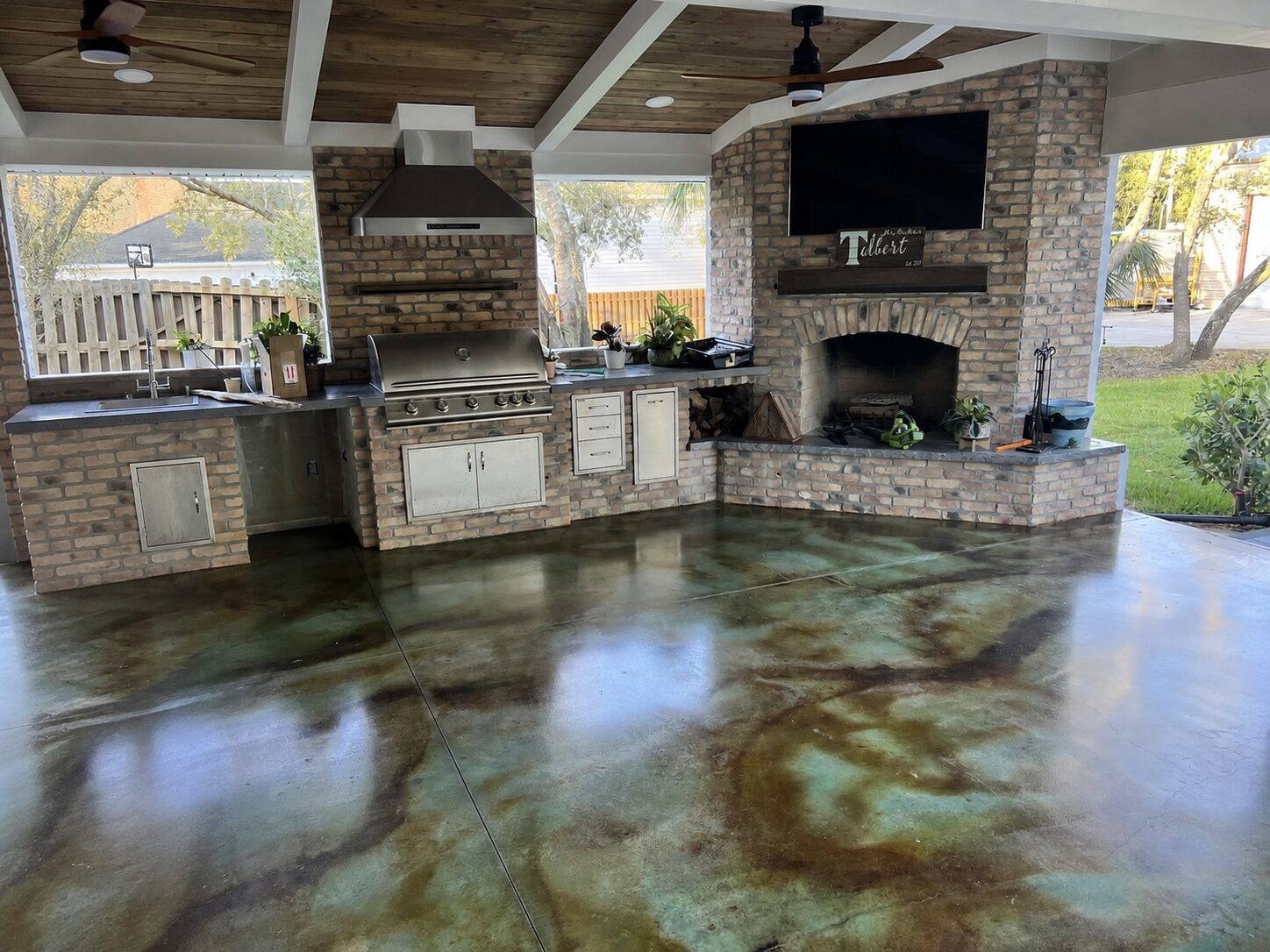
Blue and green acid stain colors can create some of the most dramatic and organic-looking concrete finishes. These colors are often used to mimic natural stone, water, aged copper, moss, or mineral movement within the concrete.
Great concrete acid stain colors for blue and green effects include:
Azure Blue: A striking aqua-blue acid stain that can range from vibrant blue marble effects to softer mineral tones, depending on the concrete’s composition and reactivity.
Seagrass: A versatile soft green to blue-green stain that pairs beautifully with Coffee Brown and Malayan Buff for riverbed, coastal, or organic marbled designs.
Avocado: A rich green stain that can create anything from subtle mossy tones to deeper forest-inspired effects, especially when layered with Malayan Buff, Coffee Brown, or Seagrass.
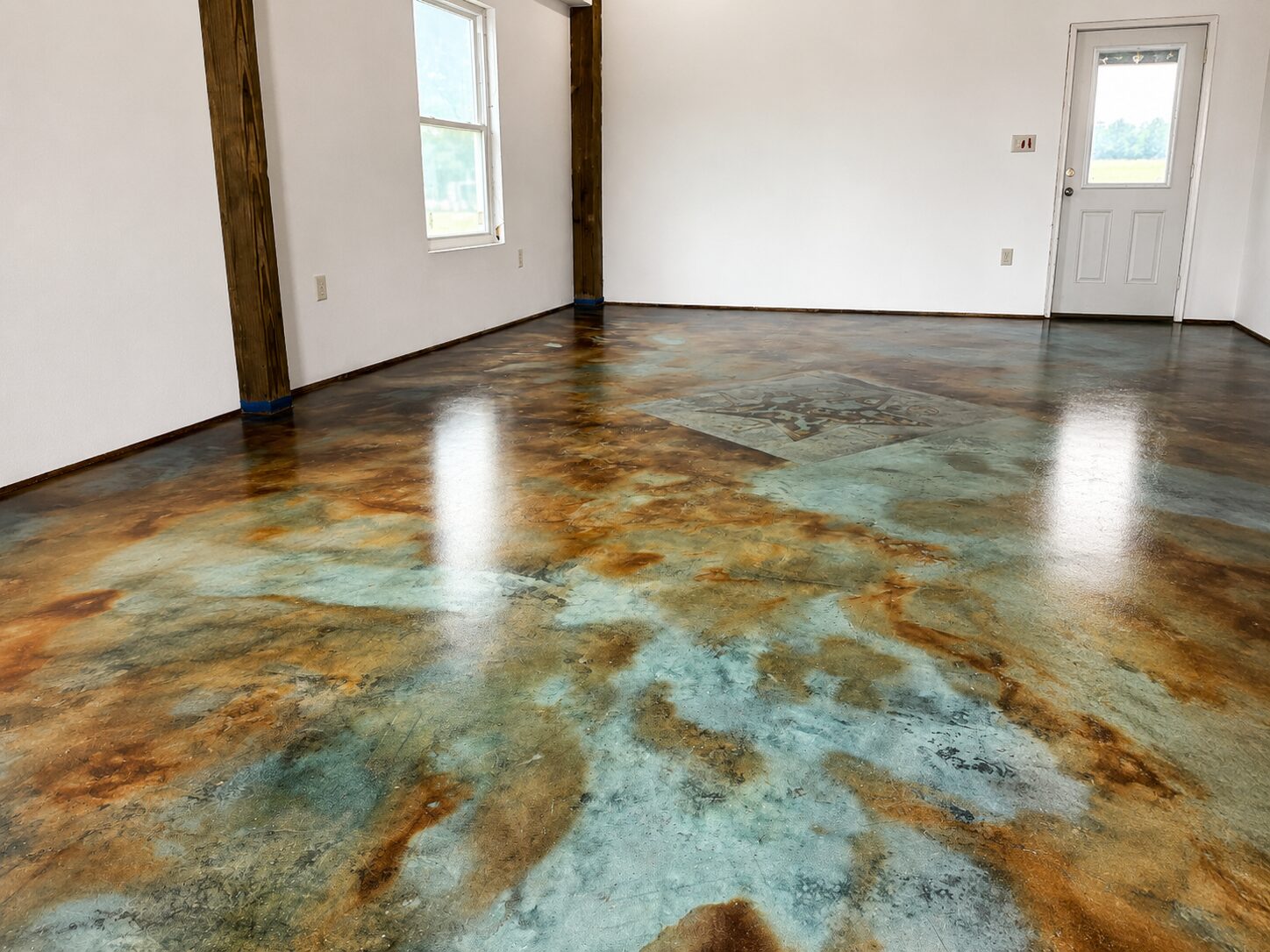
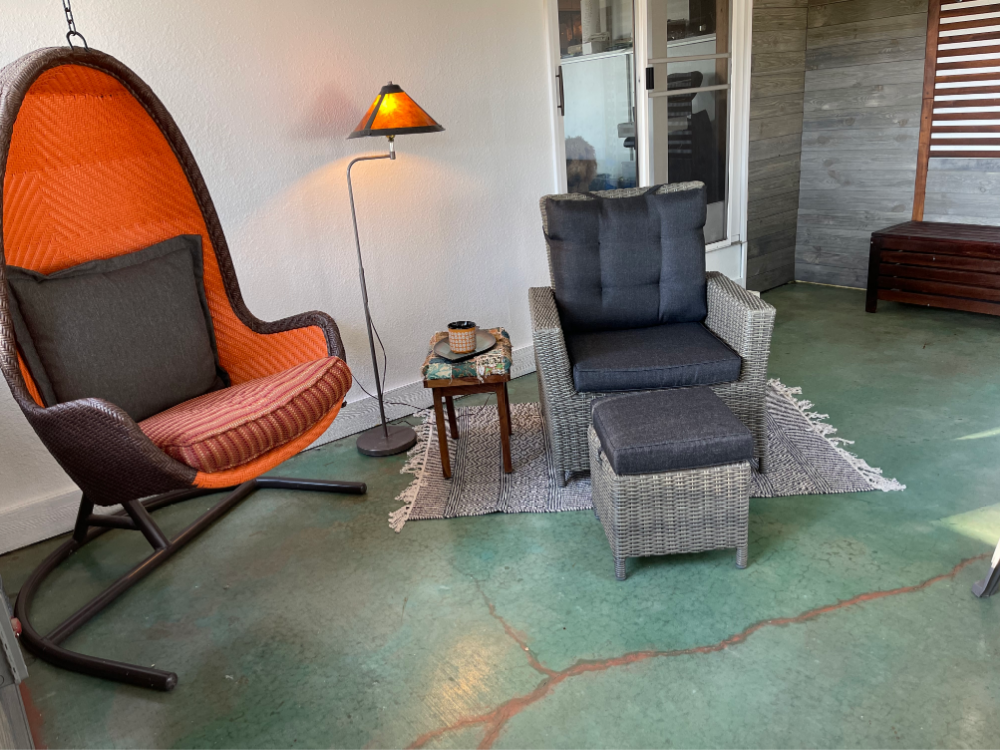
For bold blue-green movement, use Azure Blue or Seagrass as the feature color and layer in Coffee Brown for contrast. For a more natural, earthy green finish, combine Avocado with Malayan Buff or Shifting Sand to soften the look while keeping the design organic.
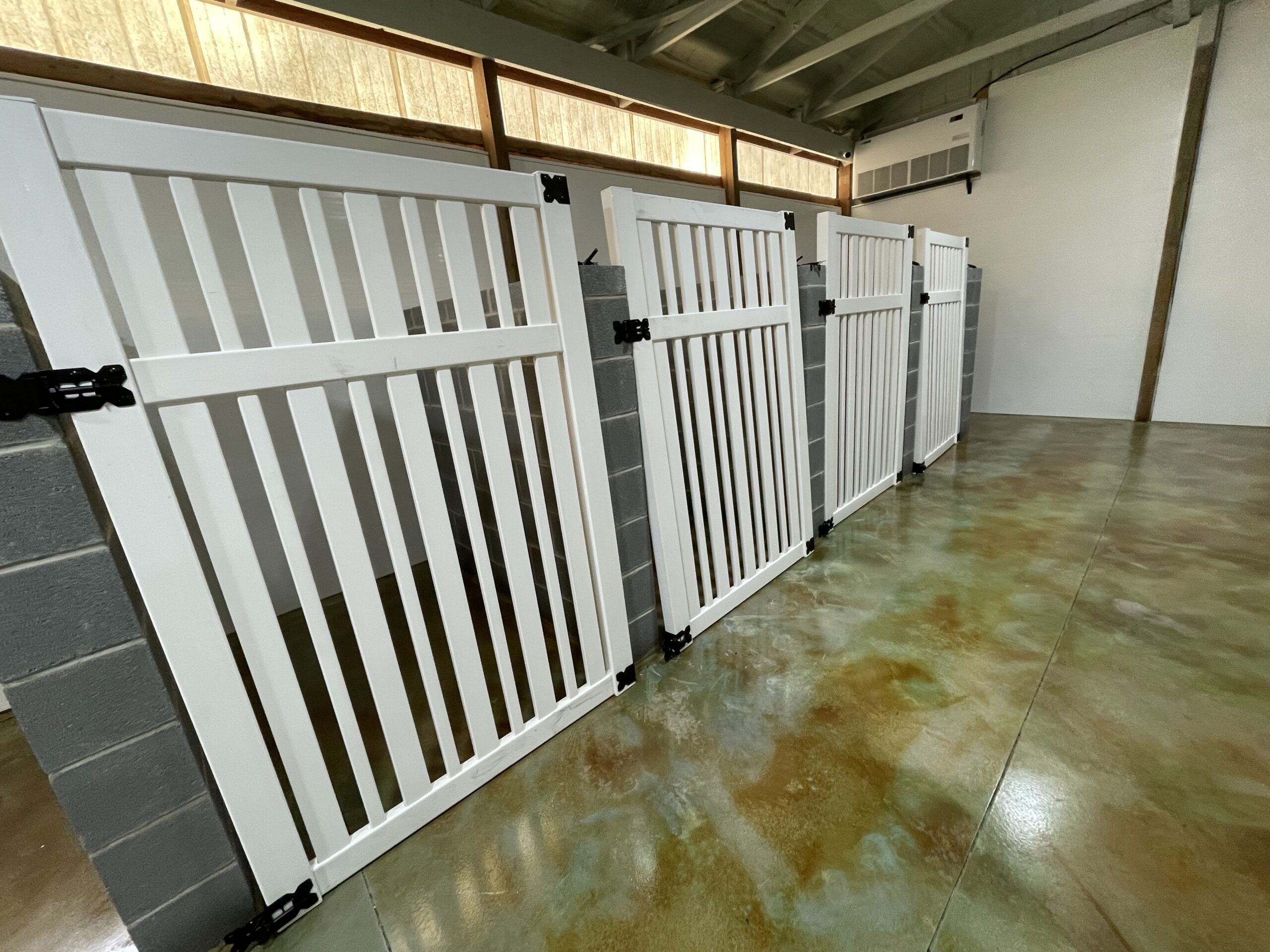

Customer-Favorite Tip: For bolder blue-green effects, many Direct Colors customers use Miracle-Gro plant food with Seagrass or Azure Blue acid stain to intensify teal and mineral-like tones. Always test first, since the final result depends on the concrete’s composition and reactivity.
Best Acid Stain Colors for Marble and Veining
Marble and veining effects are created by layering acid stain colors to add contrast, movement, and depth. Because acid stain is translucent and reacts with the concrete, darker colors can be used to create vein-like accents while lighter or more colorful stains help build the overall marbled background.
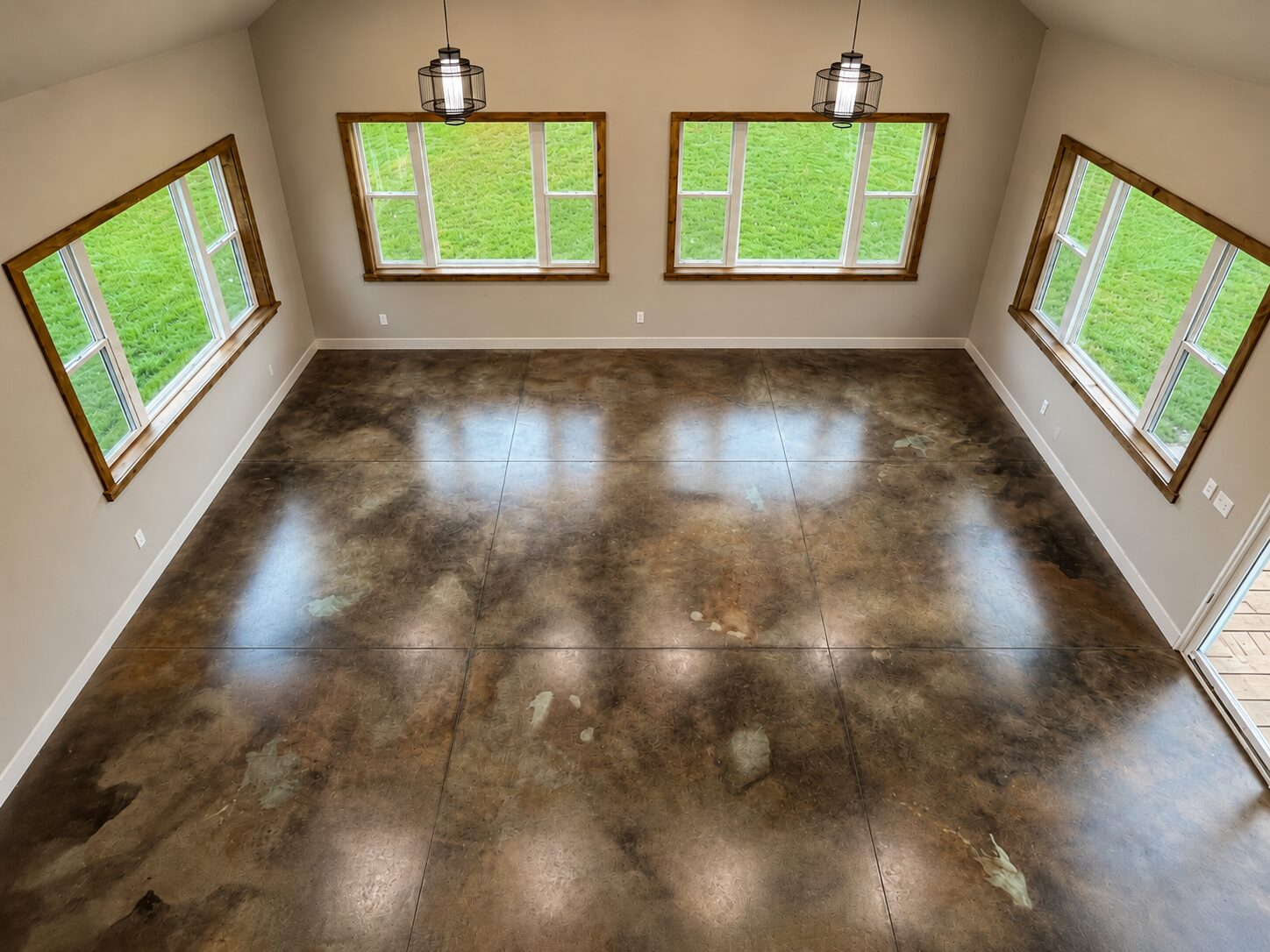
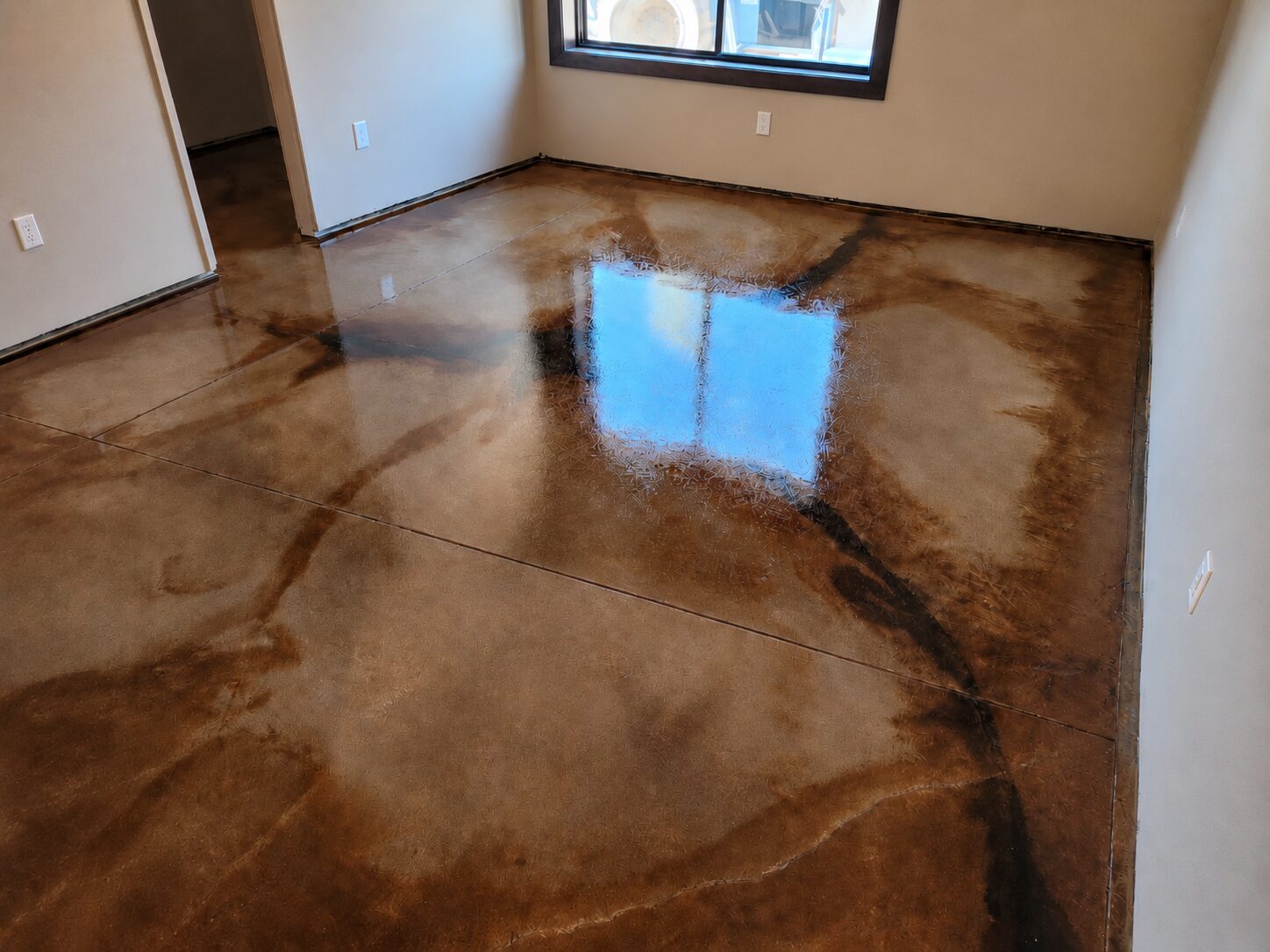
Some of the best concrete acid stain color combinations for marble and veining include:
Azure Blue + Coffee Brown: Creates a dramatic blue-and-brown marble effect with strong contrast and mineral-like movement.
Black + Malayan Buff: Produces smoky, stone-like veining over a soft neutral base.
Coffee Brown + Seagrass: Blends warm brown movement with soft green to blue-green tones for an organic, riverbed-inspired look.
English Red + Black: Creates a bold, earthy finish with rustic red undertones and dark, dramatic veining.
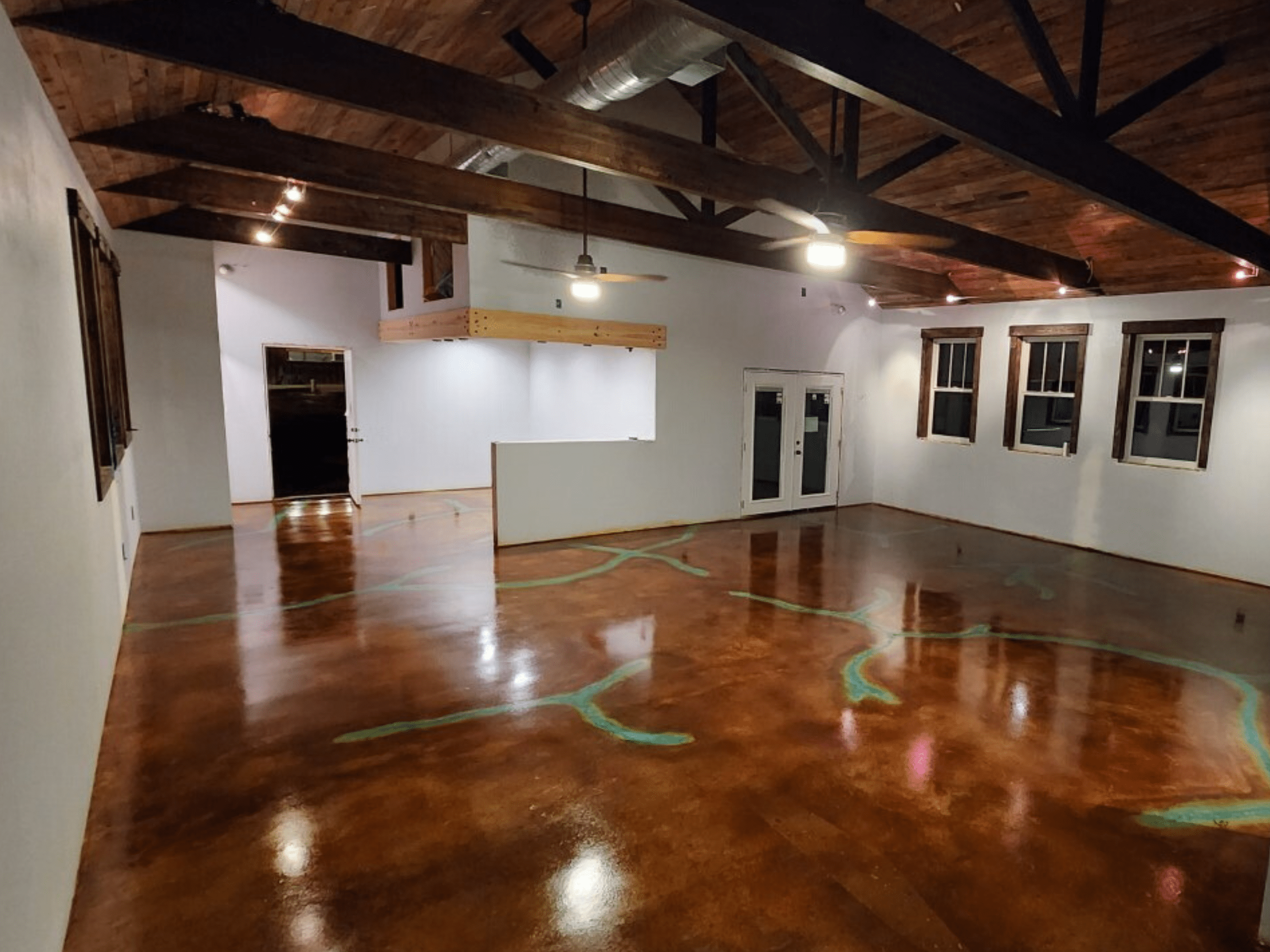
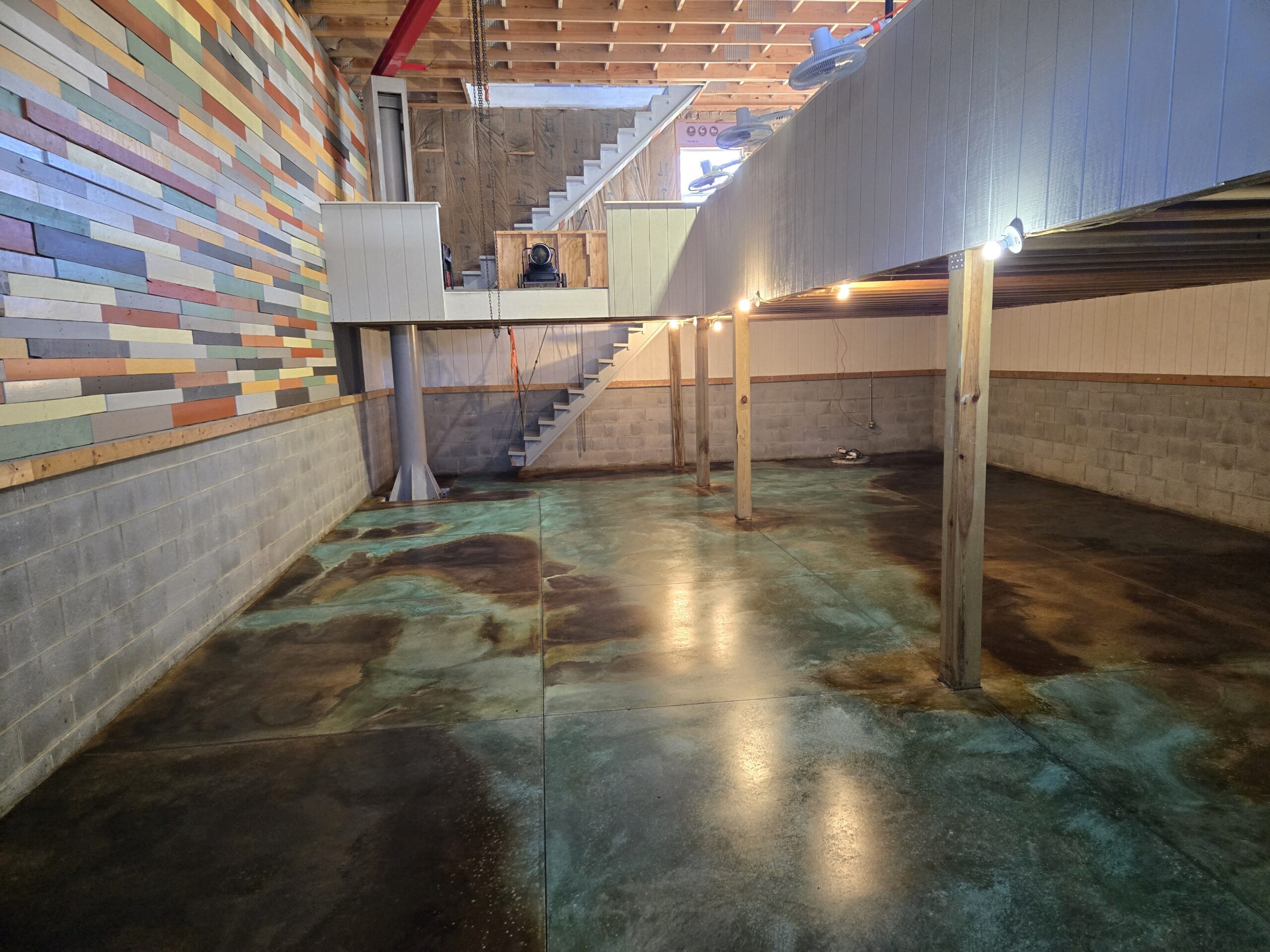
For the most natural results, apply the darker accent color sparingly and avoid overblending. Let the colors move and react on the concrete so the veining looks organic rather than painted on.
Best Neutral Acid Stain Colors
Neutral acid stain colors are ideal when you want a softer, more natural finish that still has depth and movement. These colors work well on their own, but they are also excellent base colors for layered designs because they blend easily with warmer browns, reds, blues, and greens.
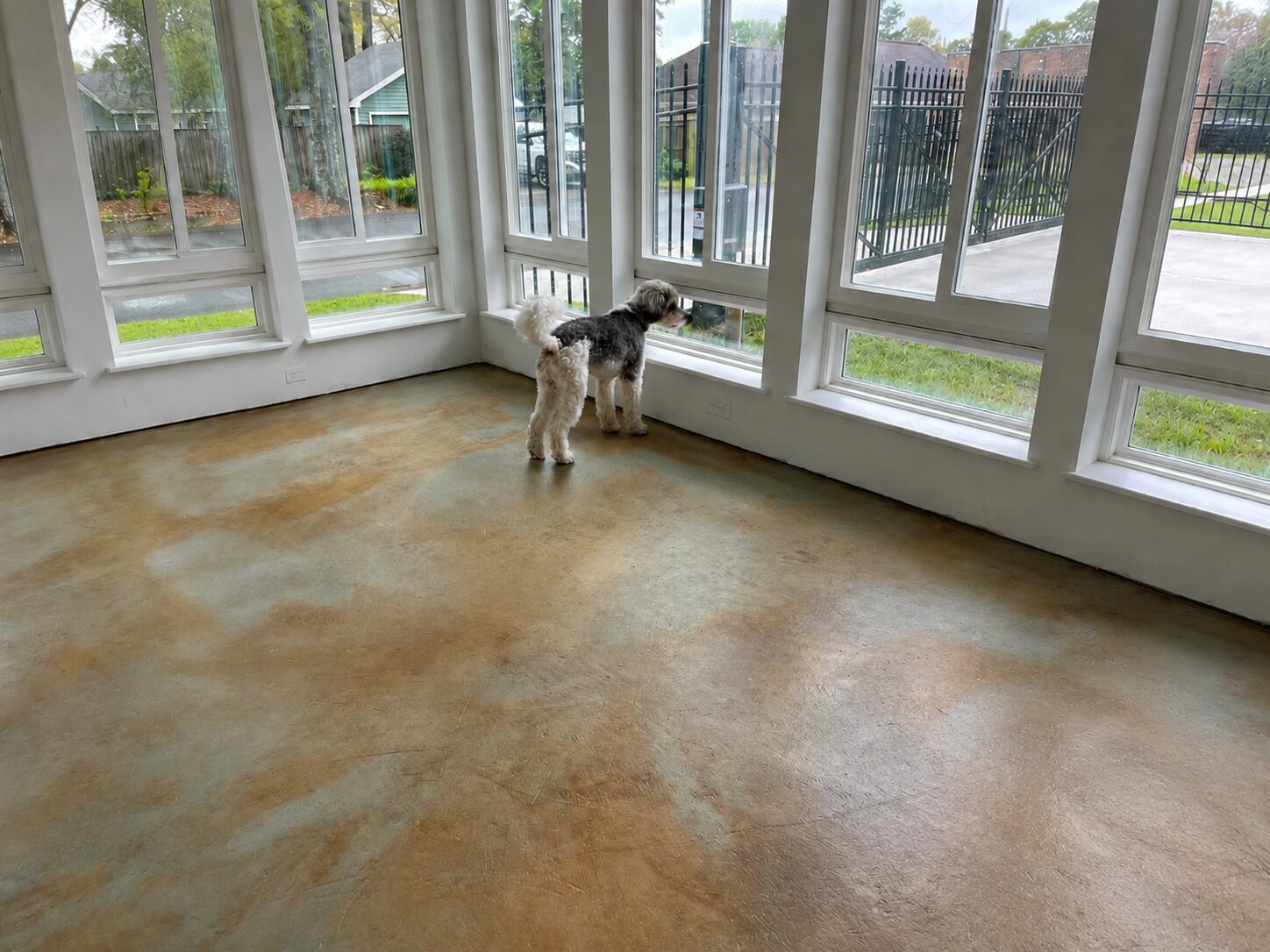
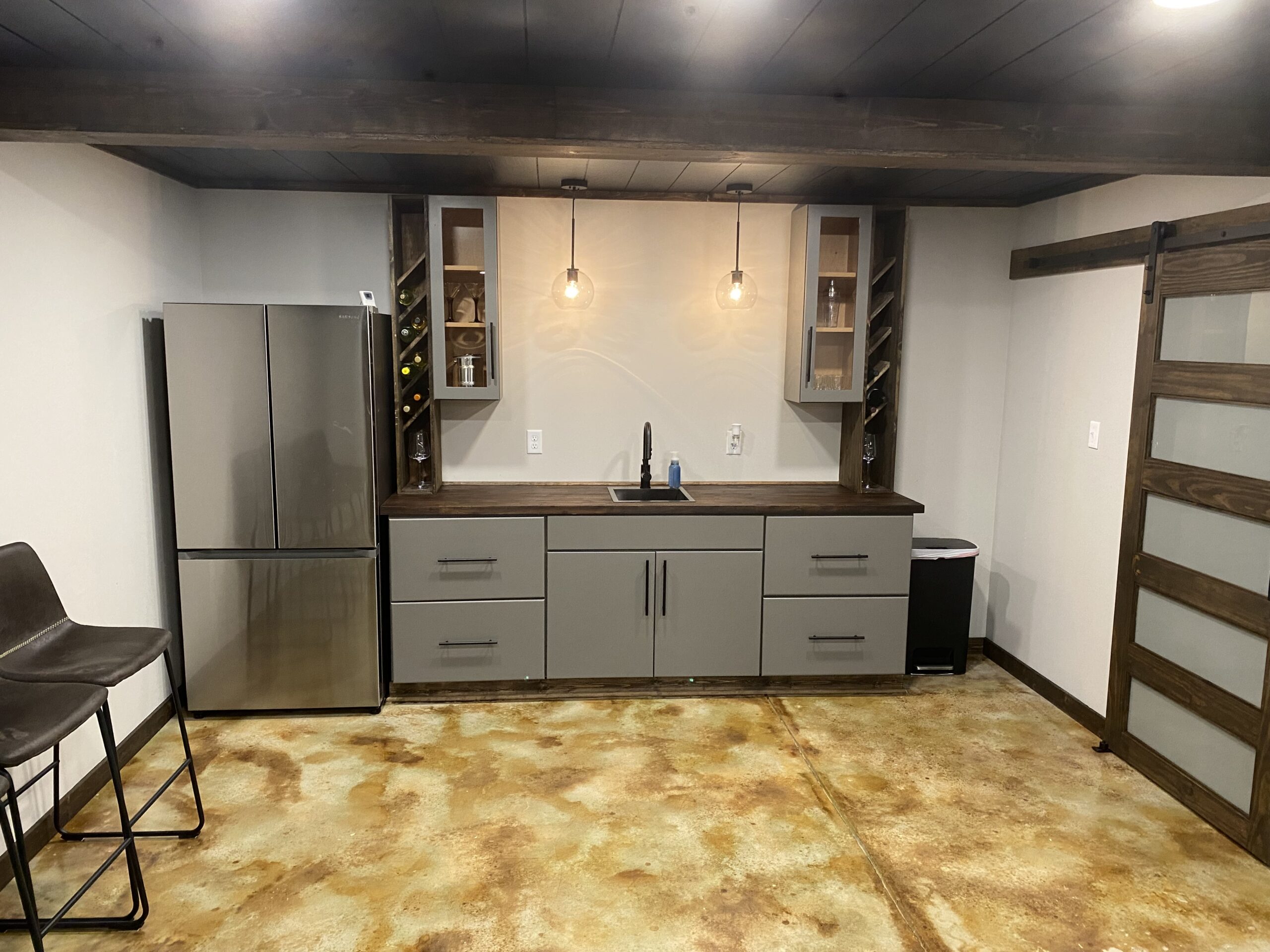
Great neutral concrete acid stain colors include:
- Malayan Buff: A soft buff tone that creates a warm, natural base and pairs well with both light and dark accent colors.
- Shifting Sand: A light sandy color that adds subtle movement and works beautifully in understated, stone-inspired designs.
- Desert Amber: A golden amber tone inspired by natural stone and sandy landscapes, often used to warm up a color palette or soften darker stain combinations.
For a subtle neutral floor, use Malayan Buff or Shifting Sand as the main color. For more warmth and contrast, layer Desert Amber with Coffee Brown, Cola, or Malayan Buff to create a richer earth-tone finish.
Frequently Asked Questions About Acid Stain Colors
What are the most popular concrete acid stain colors?
Coffee Brown, Malayan Buff, Desert Amber, Seagrass, and Azure Blue are popular choices depending on the desired look.
Why do concrete acid stain colors look different on each slab?
Acid stain reacts with the minerals in concrete, so the final color depends on the slab’s composition, age, porosity, surface prep, and moisture conditions.
Can I mix concrete acid stain colors?
Yes. Many projects use multiple acid stain colors through layering, veining, wet-on-wet, or wet-on-dry techniques.
What concrete acid stain colors create a marble look?
Azure Blue with Coffee Brown, Black with Malayan Buff, and Coffee Brown with Seagrass can create marbled or veined effects.
Should I test acid stain colors first?
Yes. Testing is the best way to confirm how the color will react on your specific concrete before staining the full surface.
NOTE: Each stain color has a different activation time to fully color the concrete. Read Acid Stain Activation Times before starting your project