Terracotta Stained Concrete: Before and After Photos Gallery with How-To Tips
By Justin Richardson
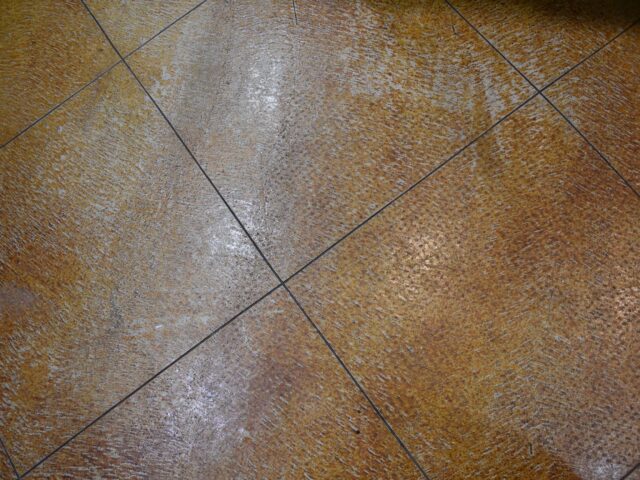
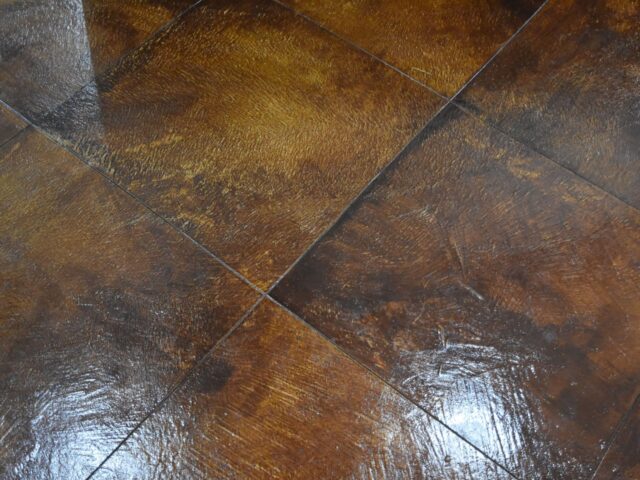
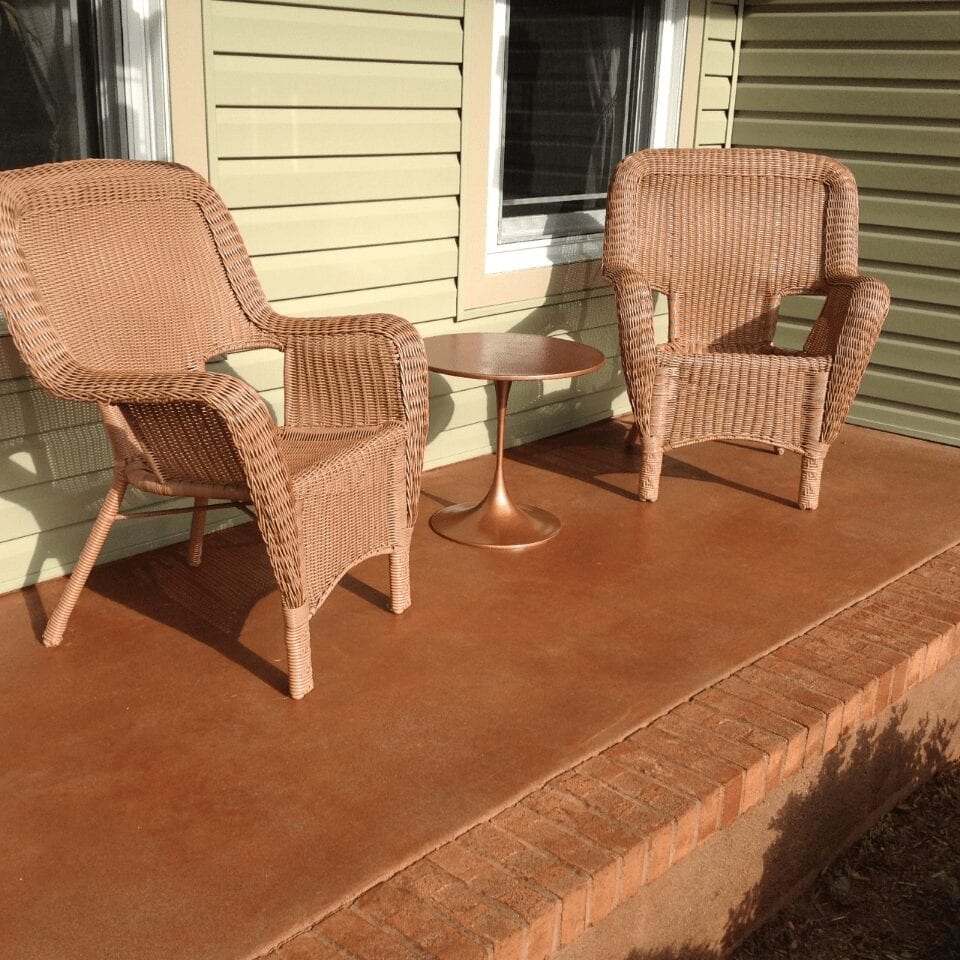
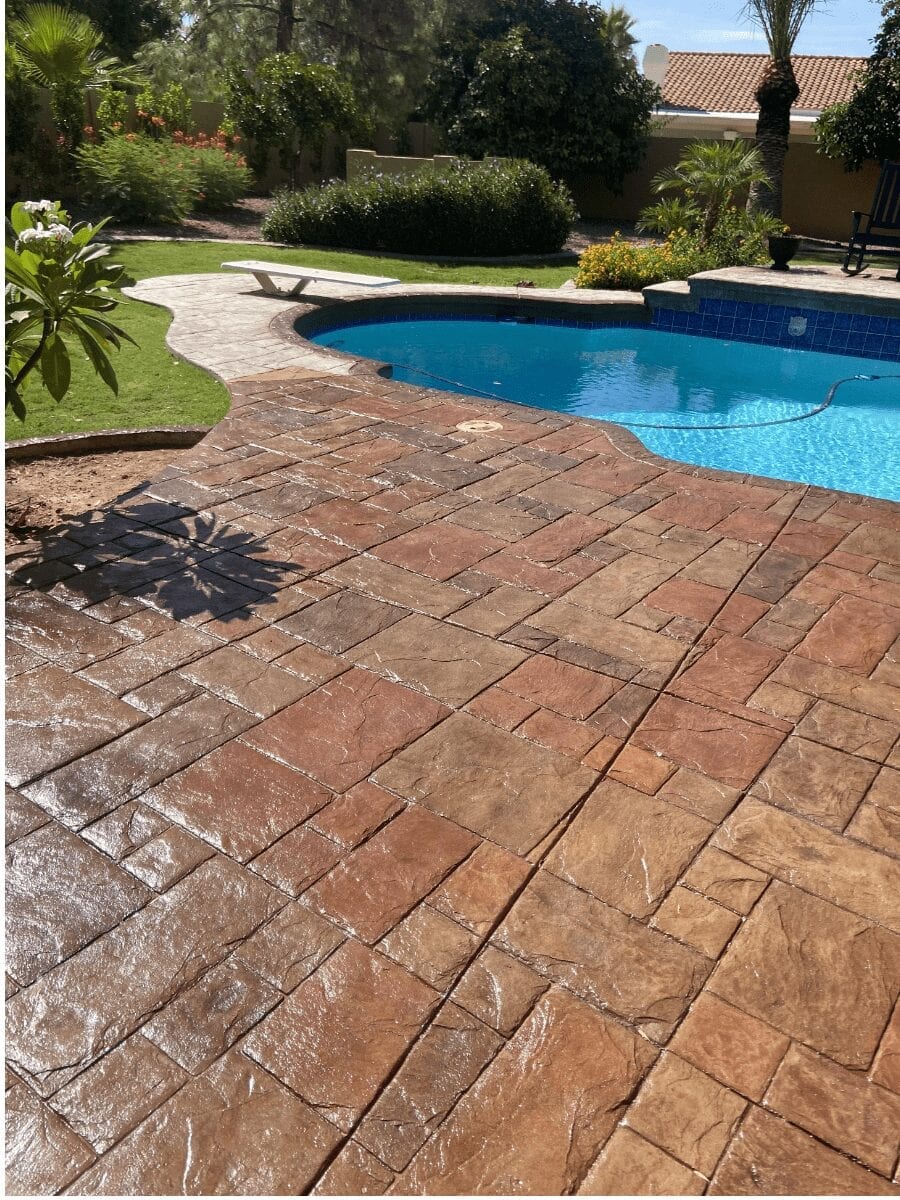
Discover the transformative power of terracotta stained concrete with our before and after photo gallery featuring a variety of projects. From patios to pool decks, terracotta adds a warm and inviting touch to any concrete surface. Learn how to achieve this stunning look with our helpful how-to tips and recommended products. Get inspired for your next project and bring a touch of spice to your outdoor spaces with terracotta stained concrete.
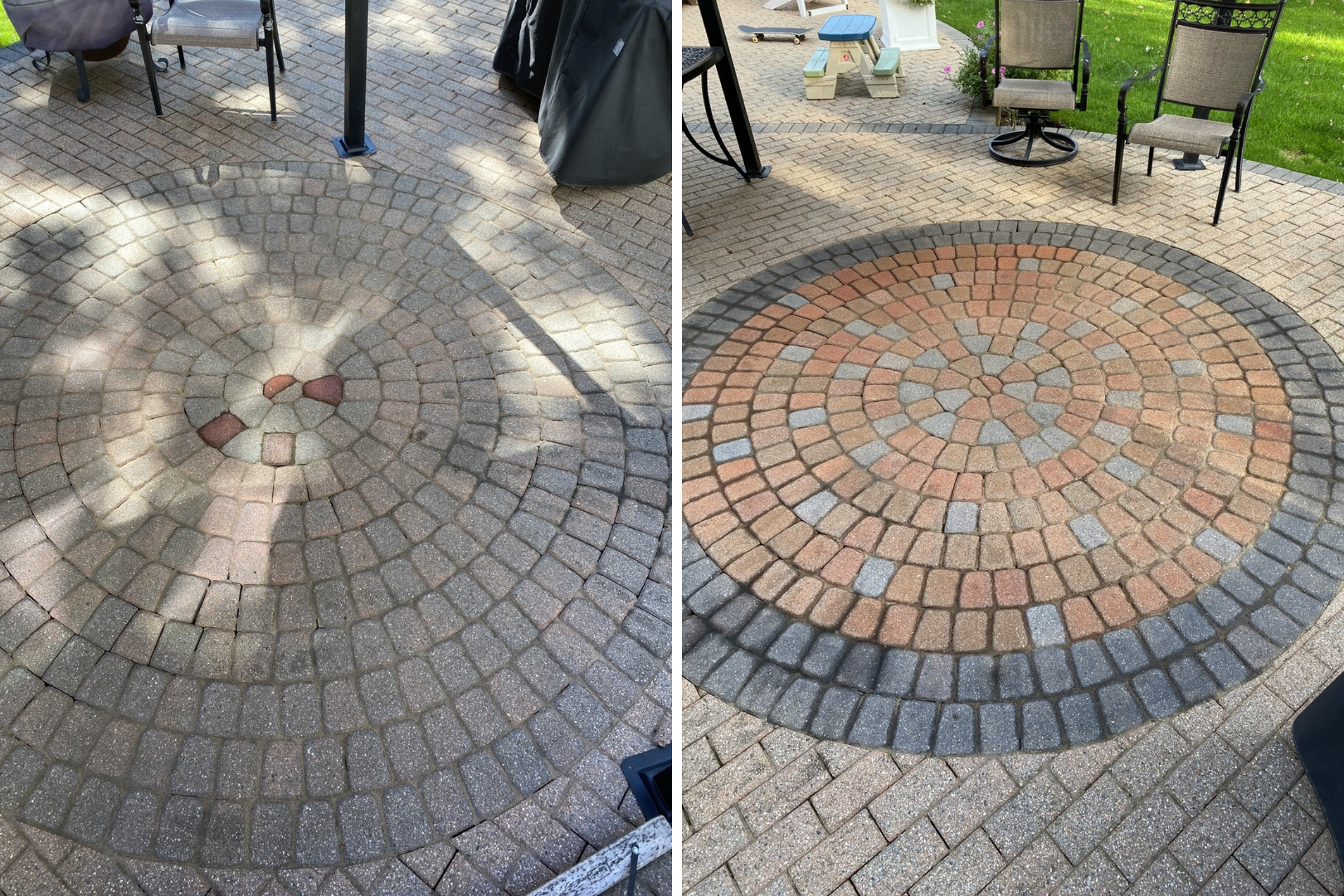
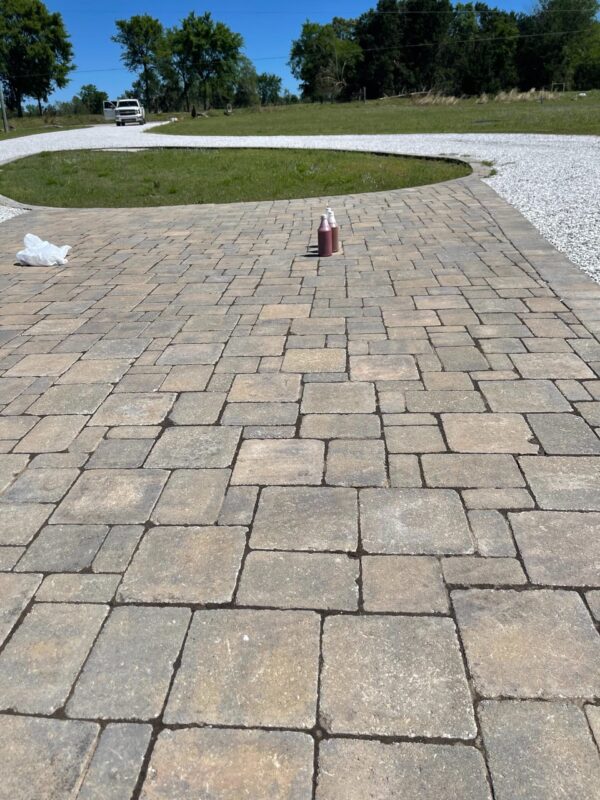
Terracotta Stained Paver Circle Patio Design
A gorgeous terracotta stained patio with a circular paver design featuring an inner circle stained with terracotta, russet, and silver gray Portico stains, while the outer two rows of pavers are stained with charcoal Portico paver stain. The warm and earthy tones of the stain create a beautiful contrast against the charcoal paver border and add a touch of elegance to any outdoor space.
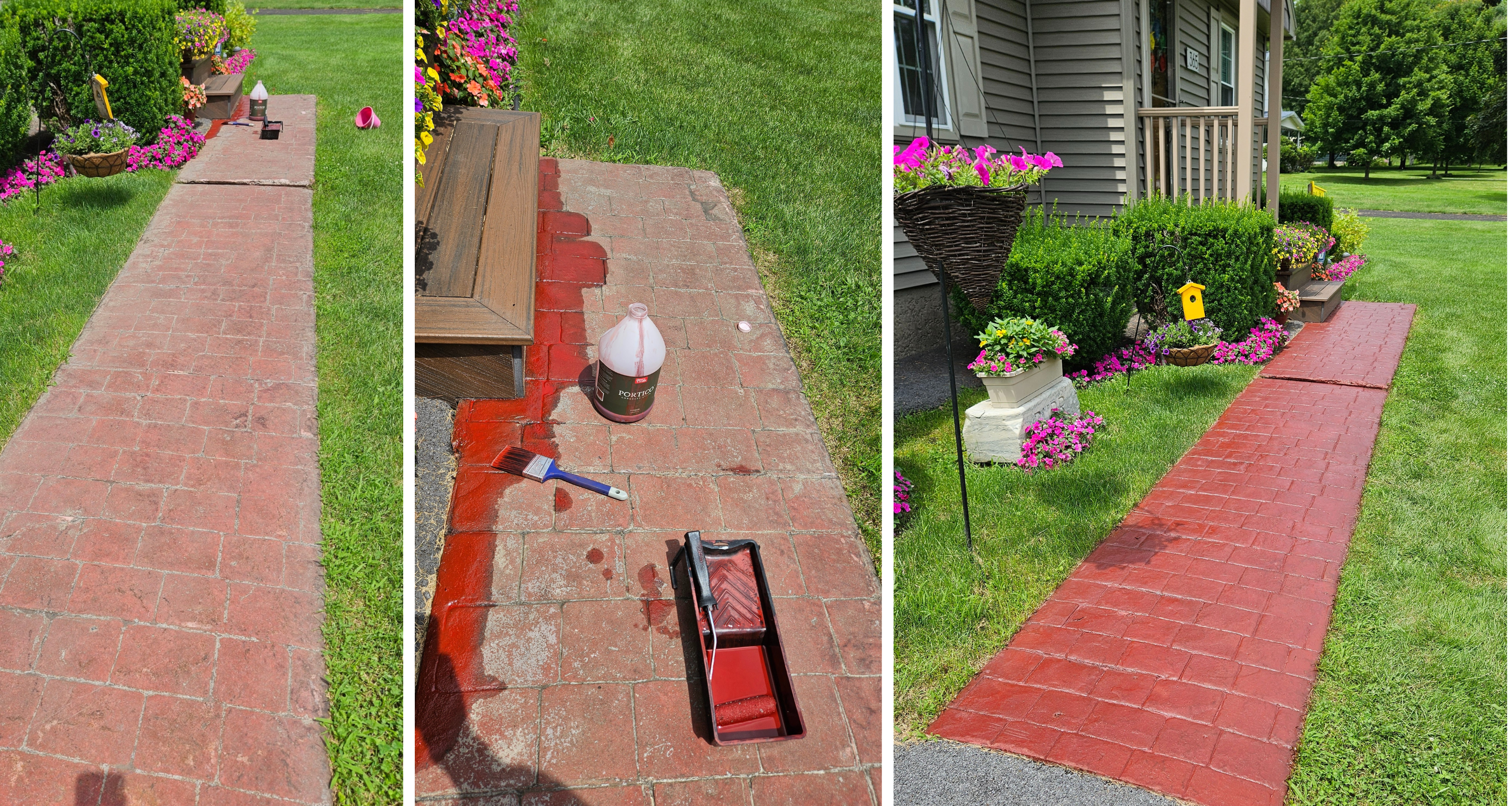
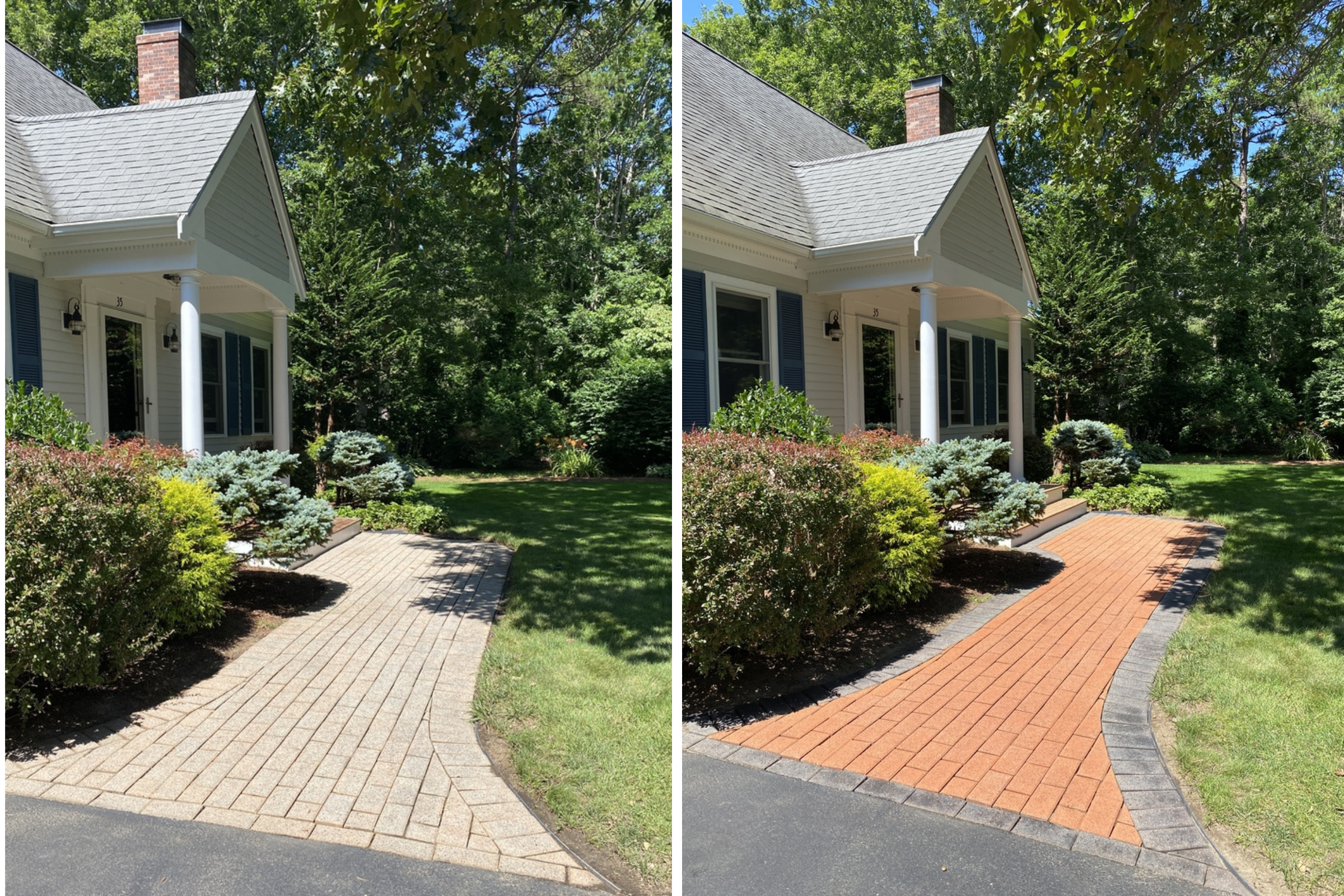
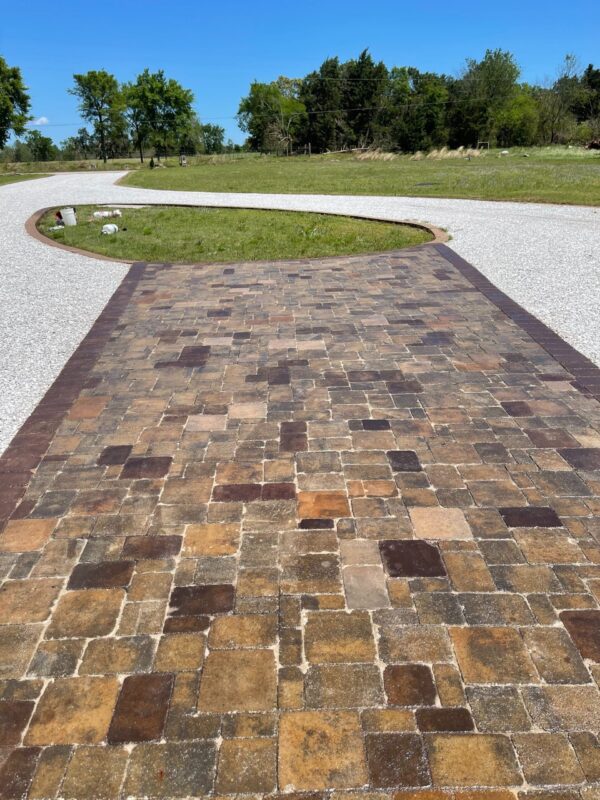
Terracotta Portico™ stained paver walkway with a warm, earthy hue, featuring an outer edge stained with charcoal Portico™ paver stain. The stained pavers and charcoal border create a beautiful contrast and add character to any outdoor space. To learn more about staining pavers, check out “Staining & Sealing Concrete Brick Pavers: Tips & Inspiration.“
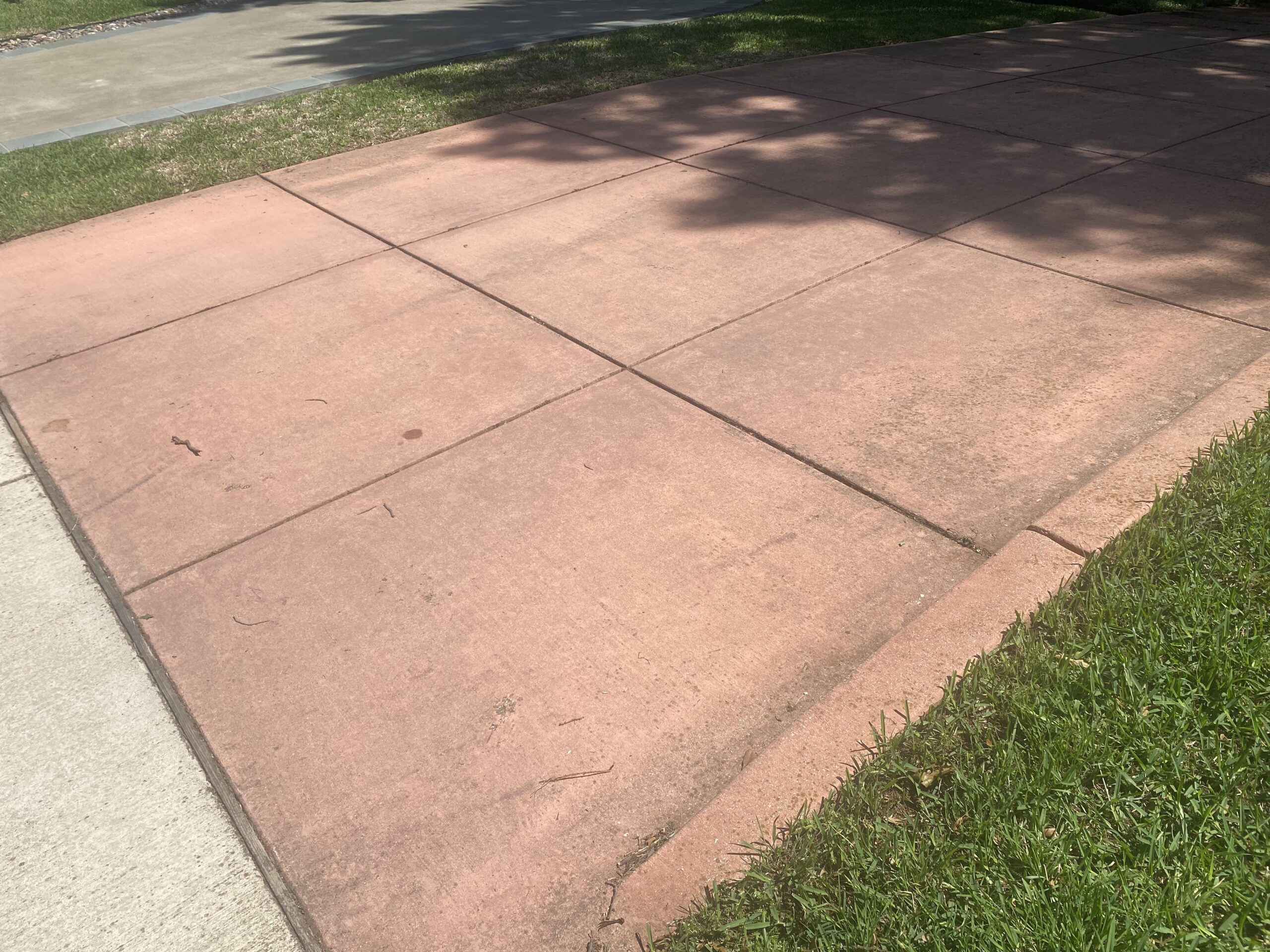
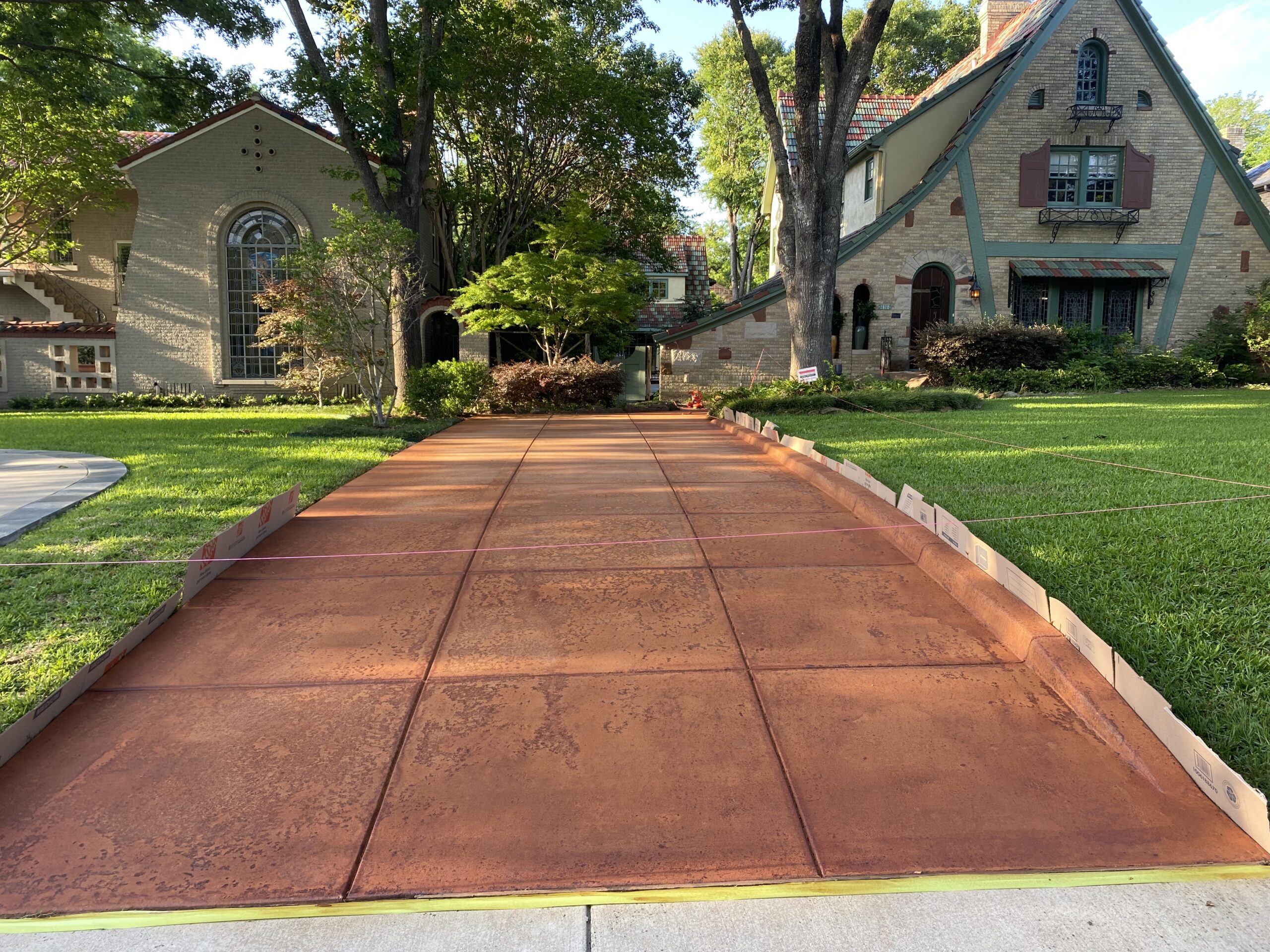
Reviving a Faded Driveway with ColorWave Stain
This driveway had previously been stained and had faded over time. To find the best materials for the job, the customer conducted extensive research and ultimately chose to use ColorWave® stain and EasySeal™ sealer. They started the project by thoroughly power washing the surface before applying two coats of stain and two coats of sealer. As a result of their efforts, the driveway was successfully refreshed and the results were excellent.
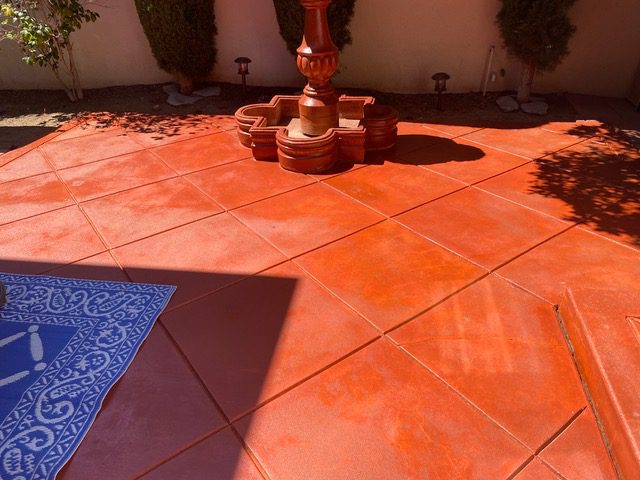
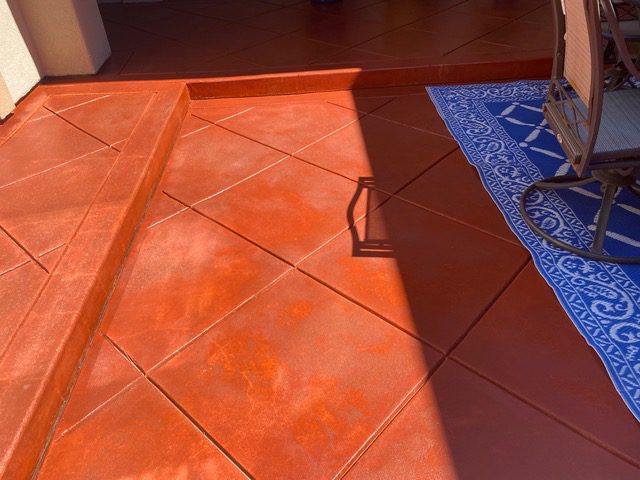
Dark Patterns Showing Through Stain and Sealer on Patio
Question: Why are dark patterns appearing on my patio stain and sealer after a few weeks, especially in areas exposed to direct sunlight?
Answer: This could be due to several reasons. One possibility is the presence of leftover chemicals on the concrete surface from inadequate preparation, leading to an unwanted chemical reaction. Another potential cause could be the application of too many coats of Antiquing stain, resulting in an excessive amount of pigment on the surface and causing adhesion issues with the acrylic surface. It’s also possible that moisture was trapped between the sealer and the concrete surface.
To address the issue, try lightly spritzing a small amount of sealer or xylene (if sealer is not available) on a small area off to the side of the patio. This can help emulsify the sealer and allow any moisture to escape or re-adhere. After it fully cures, check if the issue has been resolved. If not, consider applying a new coat of sealer. It’s crucial to be mindful of the pigment quantity and to ensure proper cleaning and preparation of the surface before staining and sealing.
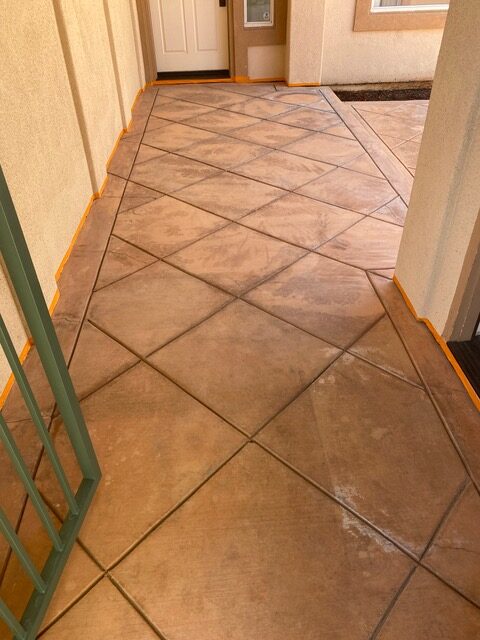
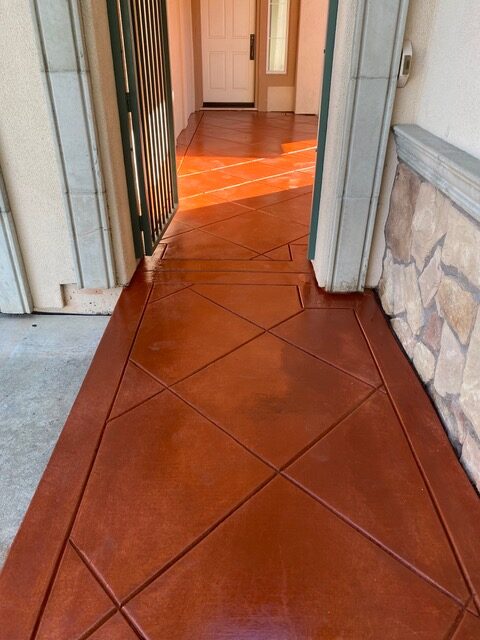
- My total square feet is around 180 sq ft. I haven’t started the other area yet due to the current issue with the stain.
- I started the project by cleaning the concrete patio area first with water rinse and then with a commercial concrete clean & etch solution using a stiff hand-held bristle broom brush.
- I repeated this step several times to make sure that I removed as much of the grime and dirt buildup as possible.
- I allowed the area too dry and after drying performed a water test to see if water would absorb in the concrete or remain on the surface.
- Water test was successful so I began to tape the area off with painters plastic and tape.
- Started applying the Terracotta stain with pump sprayer and using spike shoes. The concrete easily absorbed the stain but seemed to be very light in color that I applied a second coat after allowing the first coat to dry after 5 hours. Temperature was around 85 degrees so the stain was drying rather quickly.
- After allowing the second coat to dry overnight. I still needed to apply some more to certain areas that were not as dark as the other areas.
- So I ended up applying (3) coats of the Antiquing Terracotta Stain.
- After allowing the third application of the stain to dry. I noticed a fine power like dust on the surface of my concrete and was not sure if I needed to proceed before applying the high gloss sealer. I called Direct Colors and was told my product of Antiquing Terracotta can be applied without neutralizing the concrete area.
- I then proceeded to apply the EasySeal Gloss Sealer using a pump sprayer. Allowing first coat to dry before applying the second coat.
- The patio area looked great but after a couple of weeks dark patterns started to show through the stain and sealer in the area most exposed to direct sunlight.
- I must admit that I didn’t use a commercial power washer but hand scrubbing with concrete clean & etch solution and water from my garden hose with a turbo jet high spray hose nozzle.
Direct Colors Reply:
Hi Eric,
My first concern is that the concrete possibly having some of that chemical left on the surface, causing an unwanted chemical reaction. My next concern is having too much of the pigment on the surface with three coats. It is really hard to see the true color of our Antiquing Stain without sealer being applied, and sometimes customers will apply more than what is needed. Once the mineral spirits are dry and done off-gassing, you’re just left with powdered pigments nested on the concrete and in the pores. If there is too much pigment on the surface, this can cause adhesion issues with the acrylic surface. The sealer ends up attaching to the pigment and not the surface of the actual concrete, or it will “lift”, or lose adhesion quickly if not well-bonded to the concrete. It’s also possible that there was a bit of moisture left in the concrete and it has gotten trapped between the sealer and the surface.
So, let’s try something. First, if you have any sealer leftover, use it for this, and if not, pick up a small container of xylene from a local hardware store. In one of the smaller areas, off to the side, very lightly spritz a small amount of the sealer or xylene over it and walk away. This will emulsify the sealer and help it re-adhere or allow the moisture to escape. Allow it to fully cure and let me know how it looks, if it worked or if it goes back to the way it looks now.
Transforming a Paver Patio with Stain and Sealer: From Failed Fire Pit to Cohesive Outdoor Space
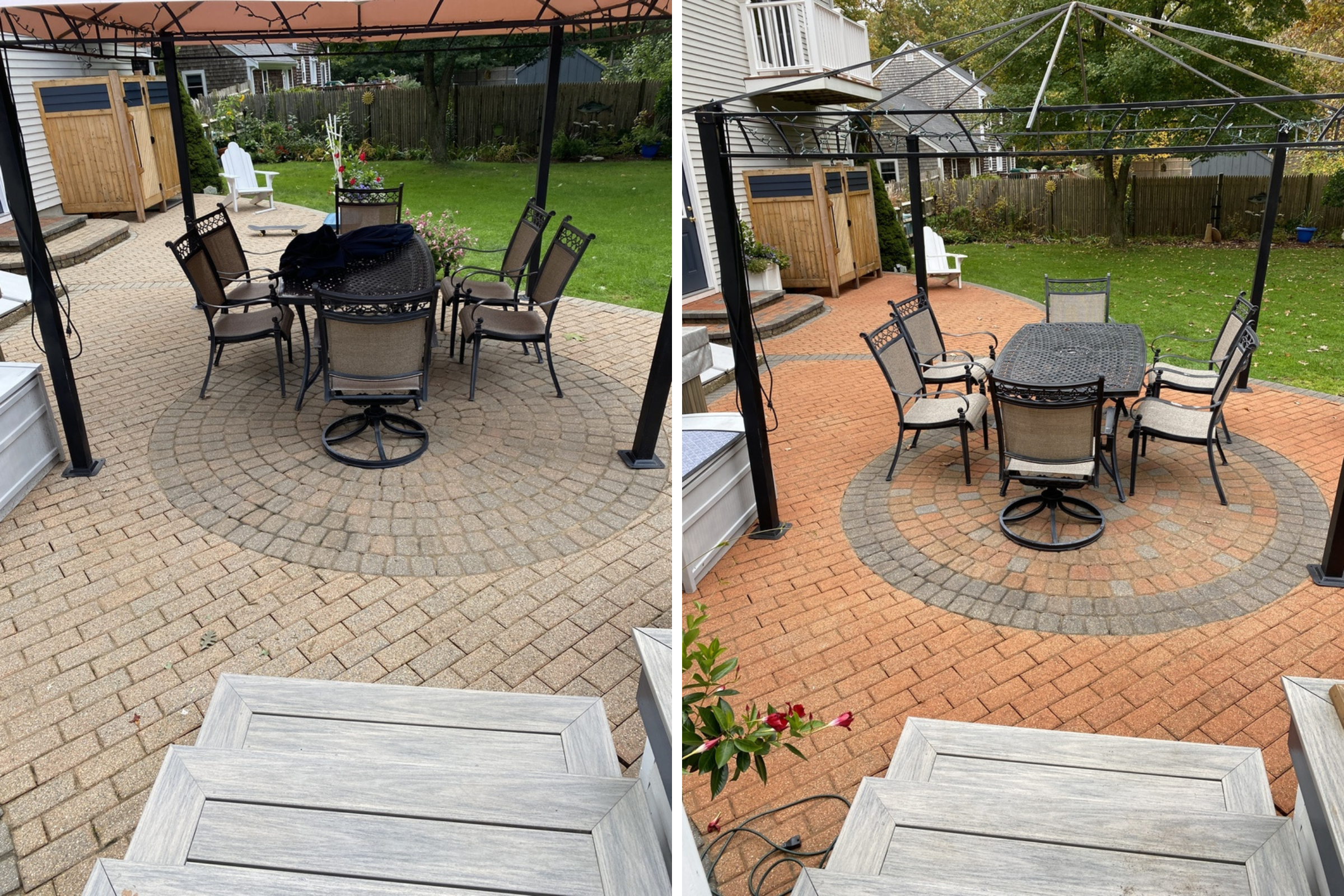
This project involved transforming a paver patio with a history of failed fire pits and river pebbles. After searching for circular paver kits to fill the hole, the customer found a kit that didn’t match the current pavers, so they stained the circle with charcoal and terracotta Portico™ paver stains to match the existing pavers. They also applied the stain to the concrete back porch and added multiple coats of sealer. The end result was a beautiful and cohesive outdoor space.
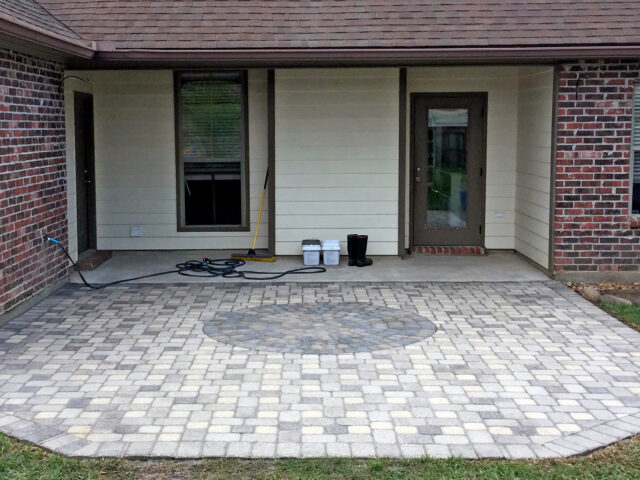
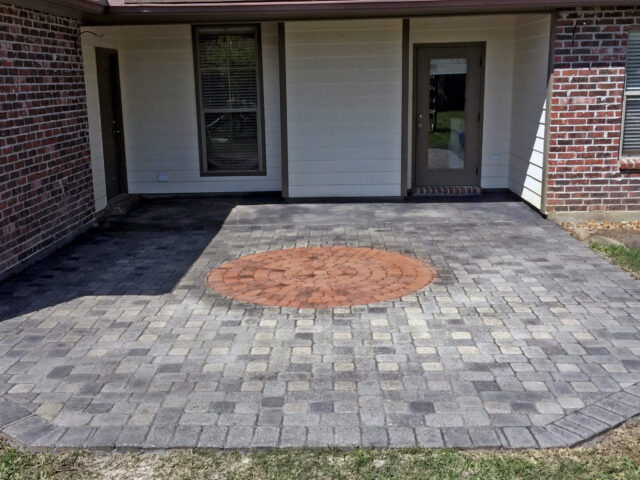
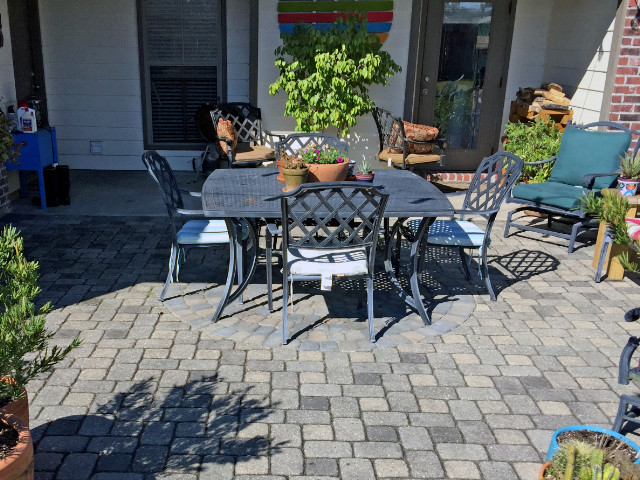
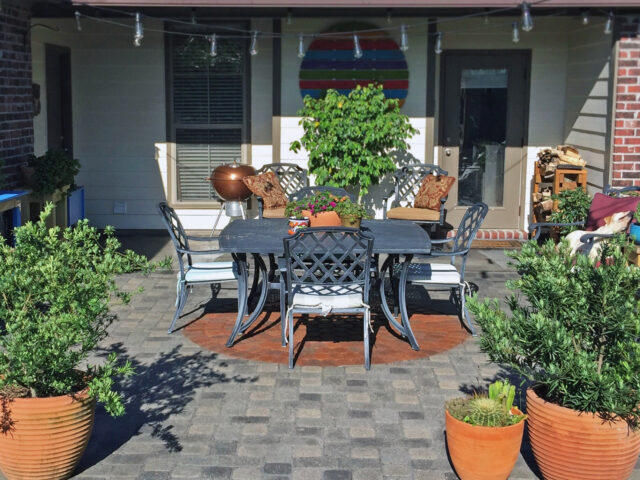
Looking for inspiration on how to transform your outdoor space with stained pavers? Check out our Before and After Gallery featuring Stained Concrete Pavers, and get ready to elevate the look of your patio, walkway, or pool deck.
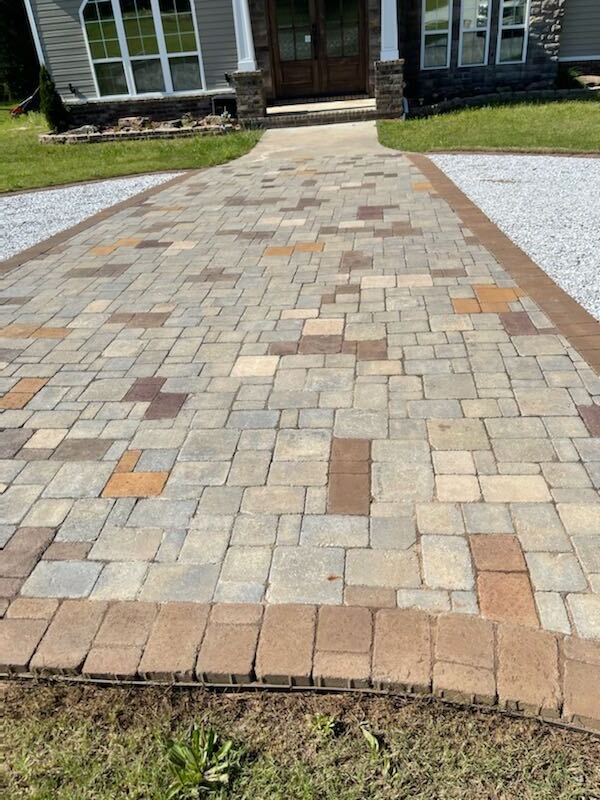
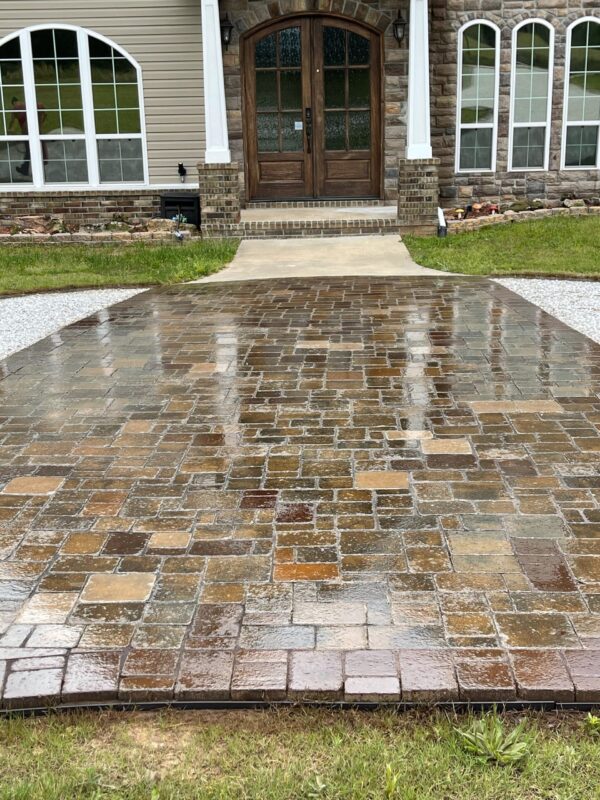
Stunning Stained Pavers Driveway
Check out what this DC customer created with four different Portico™ paver stain colors. Then, they followed up that earthy color combo with some acrylic sealer. The pavers on the driveway almost match the porch – how cool is that?
Check out our Stained Concrete Driveway Gallery, How-To Guide, and Staining Tips for a variety of driveway stain ideas to transform your driveway with ease.
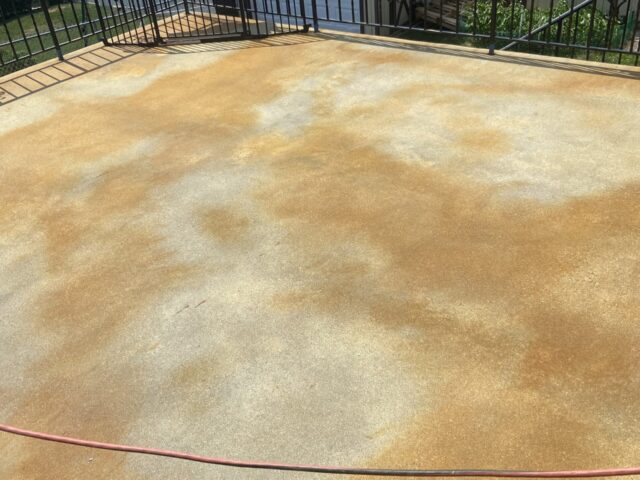
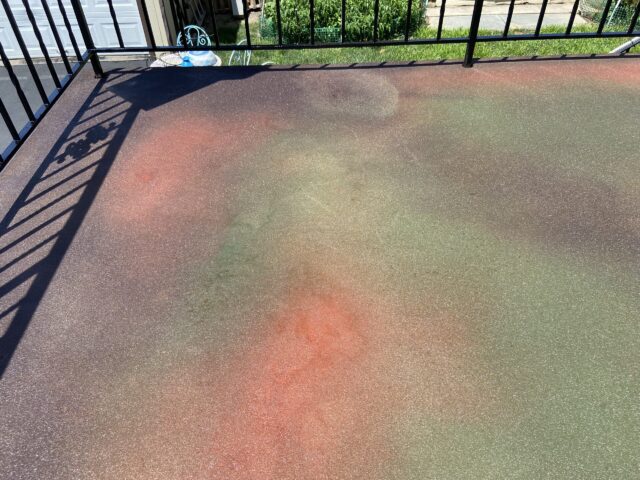
Staining an Old Concrete Patio: From Failed Acid Stain to Portico Stains Success
After attempting to acid stain a 30-year-old concrete patio with no success, Direct Colors suggested the customer try Portico stains as an alternative solution. By using the Portico stains, the customer was able to achieve the desired results and transform the patio with ease.
Project Info:
- Project Completed In: 3 day(s)
- Estimate of Square Footage: 285 sq. ft.
- Project Description:
this was a raised concrete patio on top of a wine cellar. It was roughly 30 years old. Tried acid staining Cola worked good. But avocado did not take. So I switch to Portico. What a great product!! It did everything I hope it would do plus more. Love this product. Everybody on your staff that I spoke to was so informative and helpful great bunch of people you have! - Personal Tips:
don’t be afraid to try the different colors. I preferred wet on wet worked really well. And you need to have the spike shoes. it is very important that you wear them! You cannot make a mistake with this product. However the color comes is the way it is and it’s beautiful no matter which way you look at it. You just have to have patience. And maybe in artistic flair. Again great product. But most of all you need to take your TIME! - Direct Colors Products Used:
Aztec brown, fern green, olive, Terracotta Portico stains & EasySeal satin.
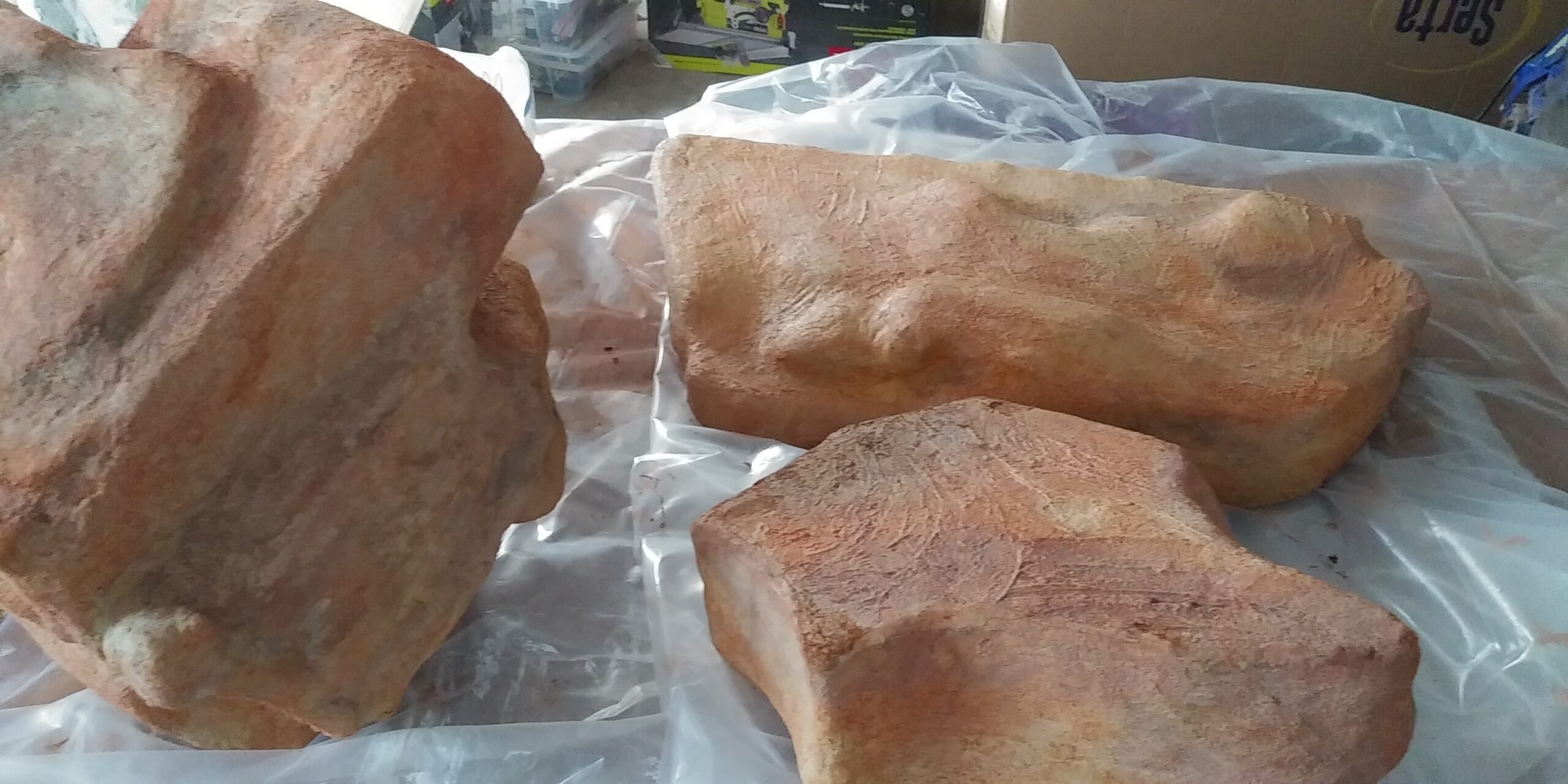
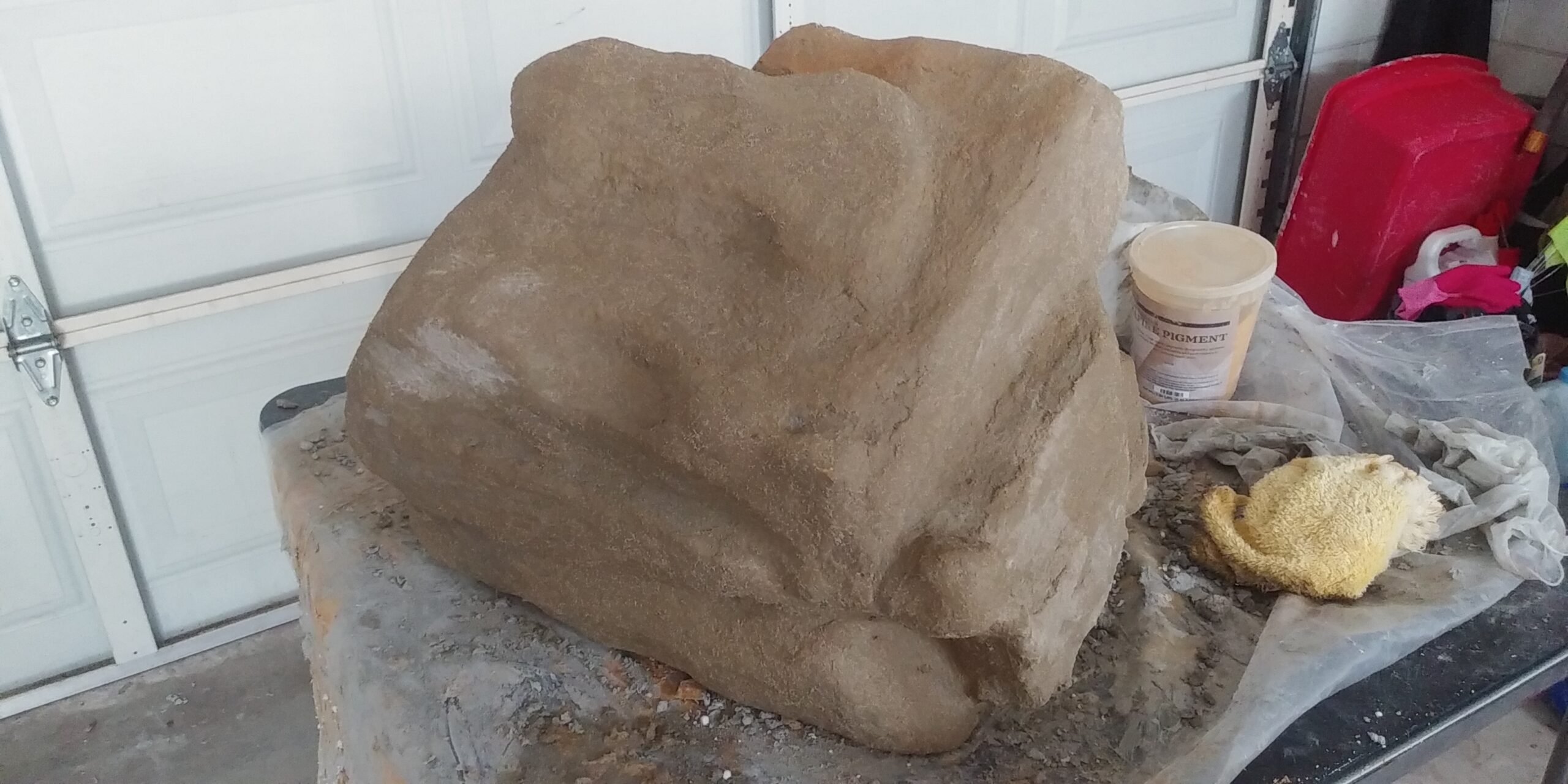
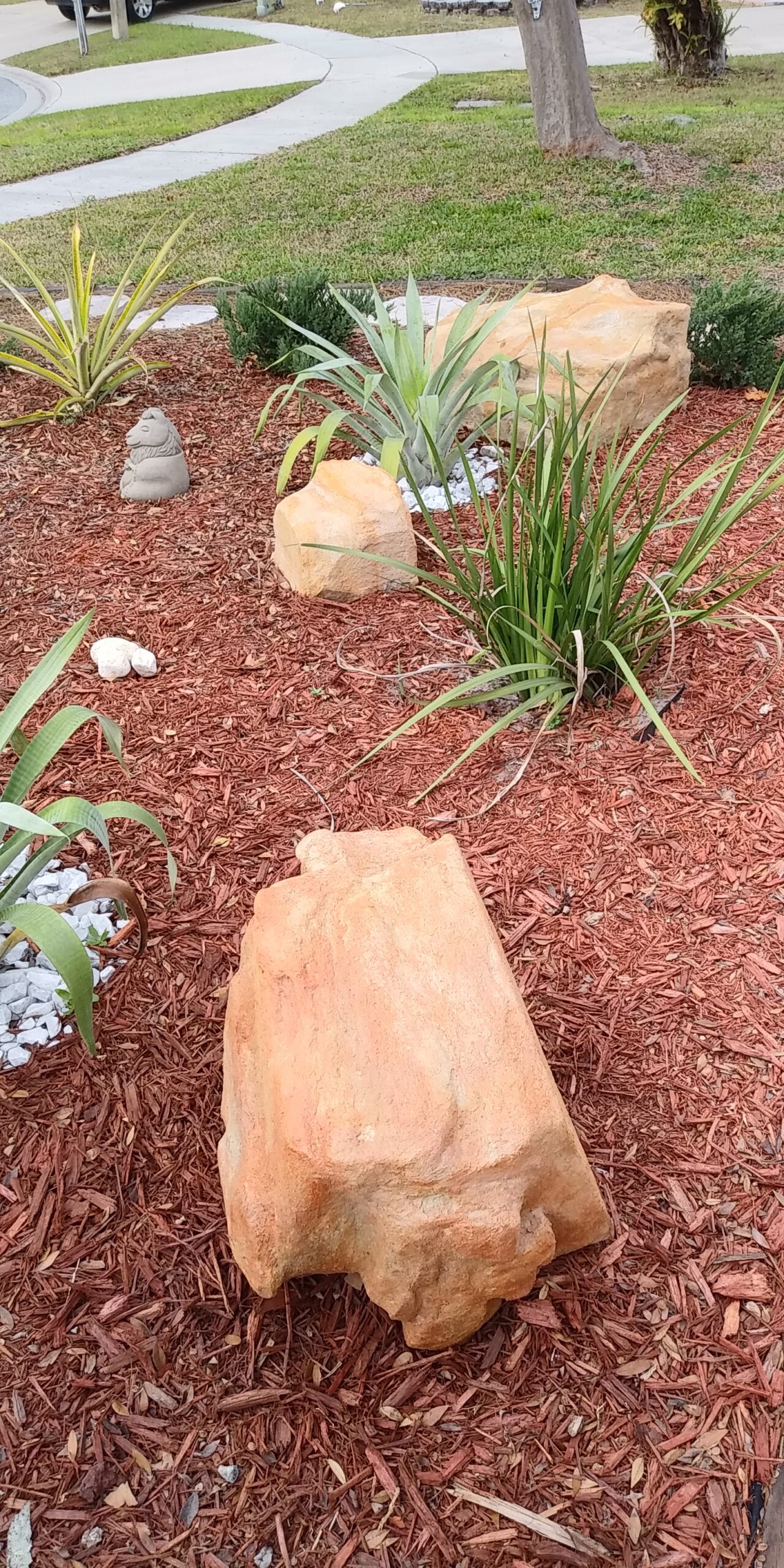
Adding Dimension to Concrete Landscaping Rocks with Concrete Stains
After creating concrete “landscaping rocks”, a customer wanted to add some dimension to them and found that Direct Colors’ DIY Trial Kit was the perfect solution. By using Terracotta concrete stain as the base and adding Eagle Grey stain for shadows, the rocks were transformed with a beautiful and unique finish.
Restoring a Faded Scored Concrete Living Room Floor with Terracotta Stain
To restore a faded scored concrete living room floor, the customer utilized AcquaTint™ Terracotta concrete stain. The results were a stunning revival of the flooring’s vibrancy, bringing the room to life with warm and earthy tones.