
How to Apply AcquaTint™ Water-Based Colored Concrete Sealer
AcquaTint™ is a water-based colored concrete sealer designed to add translucent color while sealing the surface in one step. Because the color is built into the sealer, proper surface preparation, thin even coats, and good application technique are essential for a smooth, consistent finish.
This guide walks you through everything you need to know before applying AcquaTint™, including surface preparation, application methods, drying times, wax protection, and maintenance tips.
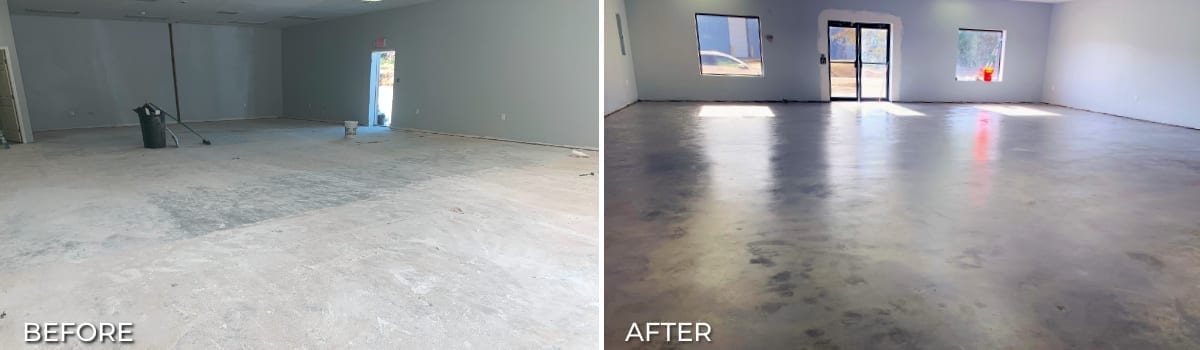
Before You Begin
AcquaTint™ works best on clean, porous, fully dry concrete or on a previously sealed surface where the existing sealer is still well-adhered and compatible.
Before applying, make sure the concrete is:
- Clean and free of dust, dirt, oil, wax, glue, paint, or loose sealer.
- Dry before application.
- Able to accept a water-based coating.
- Protected from overspray, splatter, and foot traffic during the project.
- If the concrete has carpet glue, paint, failing sealer, or heavy contamination, these issues must be removed before applying AcquaTint™.
Recommended Products & Supplies
- AcquaTint™ Water-Based Colored Concrete Sealer
- ProClean Degreaser™
- CitrusEtch™ 2-Step Concrete Etching System
- Spiked shoes, especially when etching
- Pump-up sprayer or paint tray
- ⅜-inch nap roller
- Roller frame and extension pole
- Drop cloths and cardboard
- Plastic bags or shoe covers
- Microfiber mop or clean broom
- ProWax Polish™ for interior floors
Step 1: Prepare the Concrete Surface
Proper surface preparation helps AcquaTint™ bond correctly and produce a more even finish.
- Start by removing all loose dirt, dust, and debris from the concrete. Sweep, vacuum, or dust mop the surface thoroughly.
- Clean the concrete with ProClean Degreaser™ to remove oil, grease, grime, and stubborn residue. Rinse thoroughly after cleaning and allow the surface to dry.
- If the concrete was previously carpeted, all carpet glue and mastic must be removed before applying AcquaTint™. Use an appropriate glue remover or mechanical grinding method as needed.
- If the concrete has paint, failing sealer, peeling coatings, or heavy buildup, these must be stripped or mechanically removed. AcquaTint™ should only be applied over clean bare concrete or a sound, well-adhered compatible coating.
- For bare concrete, use CitrusEtch™ when needed to open the pores of the surface. Rinse thoroughly after etching to remove all residue.
- Allow the concrete to dry completely before applying AcquaTint™.
Important: Do not apply AcquaTint™ to damp concrete. Trapped moisture can affect adhesion, appearance, and drying.
Surface Preparation Tips
- Wear spiked shoes when etching concrete.
- Do not walk through areas where etcher has been sitting on the surface.
- Footprints left during etching can become visible in the final finish and may require sanding or grinding to remove.
- Remove all cleaning and etching residue before applying AcquaTint™.
- Let the concrete dry fully before moving to application.
Important: Do not apply AcquaTint™ over flaking, peeling, tacky, milky, or damaged sealer. If a previous sealer is present, it must be firmly bonded to the concrete.
Surface Preparation: Learn how to clean and prep concrete before applying AcquaTint™.
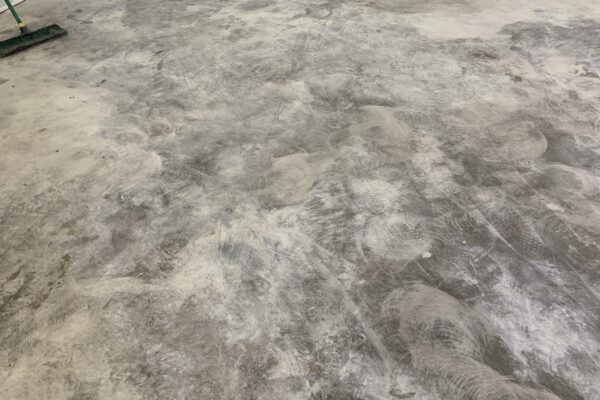
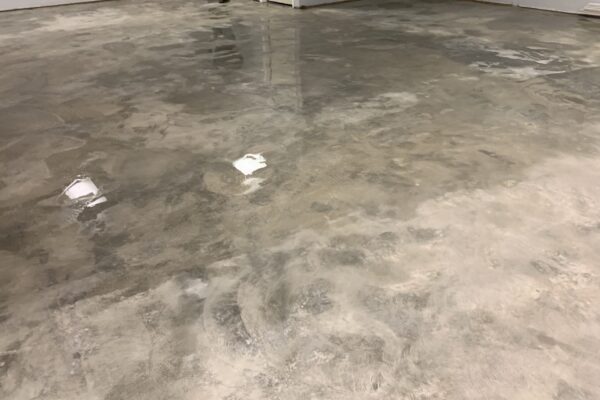
Step 2: Mix AcquaTint™ Thoroughly
- Shake or stir AcquaTint™ thoroughly before use. Because AcquaTint™ contains color, the material should be mixed well before and during application to keep the tint evenly distributed.
- Only pour out a small amount at a time.
- Stir before adding more product to the tray.
- Keep the roller evenly loaded, but not dripping.
- Do not allow the product to sit in the tray for long periods without stirring.
- Keeping the product mixed helps maintain consistent color and reduces the chance of uneven areas.
Step 3: Apply the First Coat
- Protect surrounding areas before applying AcquaTint™. Cover walls, baseboards, doors, cabinets, landscaping, or nearby surfaces that could be exposed to splatter or overspray.
- Do not apply tape to surfaces that have been recently coated, as tape adhesive may pull up fresh coatings.
- Apply AcquaTint™ in thin, even coats. Avoid puddles, heavy application, or overworking the material.
- Pour a small amount of AcquaTint™ into a paint tray or pump-up sprayer.
- Apply a light coat to the concrete.
- Back-roll with a ⅜-inch nap roller to even out the coating.
- Work in small, manageable sections.
- Keep a wet edge as you move across the surface.
- Keep the roller consistently loaded, but avoid drips.
- Do not walk on wet AcquaTint™.
AcquaTint™ is designed to apply smoothly, so focus on thin, even coverage rather than heavy build. A second coat will help build the final color and finish.
Application Tips
- Work in small sections, approximately 6 feet by 4 feet.
- Move steadily and avoid stopping in the middle of a section.
- Use light, even roller pressure.
- Do not pour large amounts of product directly onto the floor.
- Do not allow product to puddle.
- Back-roll each section before moving to the next area.
- Stir the product before refilling your tray.
- Cover your feet with plastic bags or wear clean shoe covers if you must carefully step near the work area, but do not walk on wet sealer.
Step 4: Allow the First Coat to Dry
- AcquaTint™ dries quickly between coats under normal conditions. Allow the first coat to dry for approximately 1 hour, or until the surface is dry to the touch and no longer tacky.
- Dry time may vary depending on temperature, humidity, airflow, surface porosity, and how heavily the product was applied.
- Cool temperatures, high humidity, poor airflow, or thick application can extend dry time.
- Before applying the second coat, make sure the first coat:
- Looks dry.
- Feels dry to the touch.
- Is not tacky.
- Does not show wet or milky areas.
- Do not rush the second coat if the first coat has not dried properly.
Step 5: Apply the Second Coat
- Once the first coat is dry, apply a second thin, even coat of AcquaTint™.
- Stir the product thoroughly before continuing.
- Pour only a small amount into the tray.
- Apply a light coat across the surface.
- Back-roll with a ⅜-inch nap roller as needed for even coverage.
- Keep the roller evenly loaded.
- Avoid puddles or heavy areas.
- Do not overwork the coating.
- The second coat helps build color depth and finish consistency. Most projects require two coats for best results.
- After the second coat, allow the surface to dry for at least 12 hours before applying wax, moving items back, or allowing regular use.
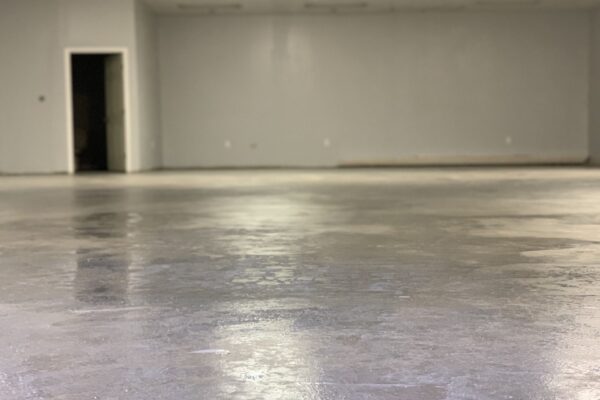

Drying & Return-to-Service Times
For best results, follow these drying and protection times:
- Between AcquaTint™ coats: Approximately 1 hour, or once dry to the touch and no longer tacky.
- After the final AcquaTint™ coat: Allow at least 12 hours before applying wax or allowing light use.
- Between wax coats: Allow at least 12 hours.
- After final wax coat: Allow 24 hours before moving furniture or heavy objects back onto the surface.
- Heavy use or parked vehicles: Wait 48–72 hours when applicable.
- These final drying and return-to-service times are intentionally conservative to help protect the finish.
Step 6: Protect Interior Floors with Wax
For interior floors, protect the finished AcquaTint™ surface with ProWax Polish™ or a compatible concrete floor wax. Wax adds a protective wear layer and makes long-term maintenance easier.
- Apply wax only after AcquaTint™ has dried for at least 12 hours.
- Use a trim pad, microfiber applicator, or foam mop with a wringer attachment.
- Dampen the applicator with warm water, then wring out excess water.
- Pour wax into a clean paint tray or wallpaper tray.
- Saturate the applicator, then press out excess wax.
- Apply a thin, even coat across the floor.
- Smooth out any foaming before it dries.
- Allow the wax to dry for at least 12 hours between coats.
- Apply additional thin coats as needed for the level of protection desired.
- After the final wax coat, wait at least 24 hours before moving furniture or heavy objects back onto the floor.
Step 7: Maintain the Finished Surface
- Once the floor is fully dry and protected, regular maintenance will help preserve the finish.
- Sweep or dust mop regularly.
- Clean with a mild, pH-neutral cleaner.
- Avoid harsh chemicals, ammonia, abrasive pads, and solvent-based cleaners.
- Use felt pads under furniture.
- Do not drag heavy furniture, appliances, or sharp objects across the floor.
- Reapply wax as needed in high-traffic areas.
- Clean spills promptly.
- For interior floors, keeping up with wax maintenance is especially helpful because it protects the sealer layer underneath. It is much easier to refresh wax than to repair worn sealer.
Common Mistakes to Avoid
- Skipping surface preparation.
- Applying AcquaTint™ over dirty, damp, or contaminated concrete.
- Applying over failing paint or peeling sealer.
- Allowing pigment to settle without stirring.
- Applying heavy coats.
- Leaving puddles or thick areas.
- Walking on wet sealer.
- Moving furniture back too soon.
- Applying wax before AcquaTint™ has dried.
- Using harsh cleaners after the floor is finished.
Troubleshooting
The finish looks streaky:
The coating may have been applied too heavily, the roller may not have stayed evenly loaded, or the pigment may not have been stirred often enough.
The color looks uneven:
Concrete porosity, previous coatings, surface contamination, or uneven application can affect the final look.
The sealer is peeling or not bonding:
The surface may not have been fully clean, dry, porous, or compatible with the coating.
There are footprints after etching:
This can happen when walking through etched areas without spiked shoes. These marks may need to be sanded or mechanically removed.
The floor feels tacky:
The coating may have been applied too heavily, exposed to poor drying conditions, or applied before the surface was dry.